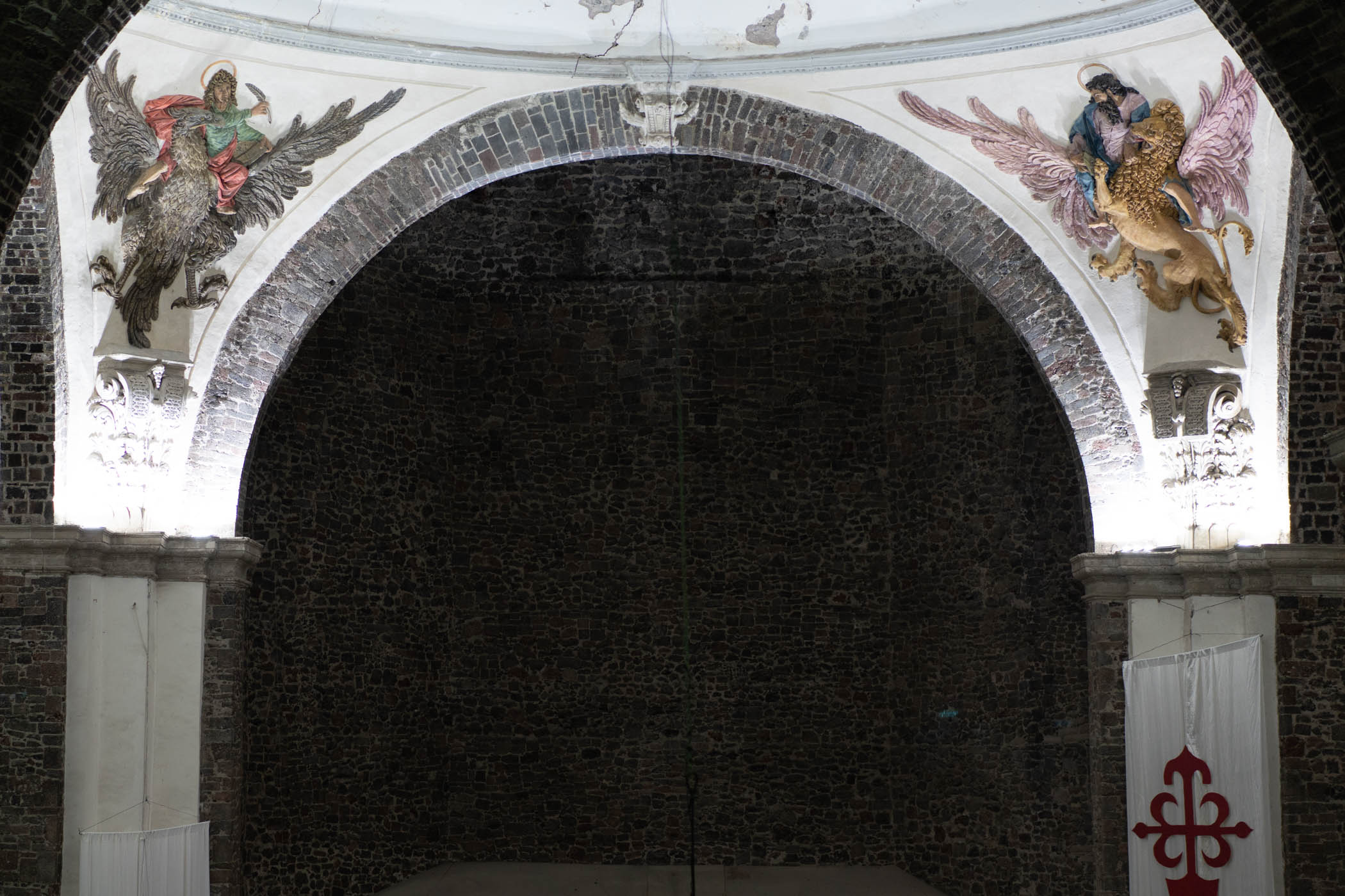
The ideological construction of a New World unfolded as a porous, gradual, and multifaceted process; while it is correct to speak in the plural of “the conquests,” in this section we focus on sound as one of the most powerful and successful processes of conquest. Consider the ringing of bells to mark the hours, or the acceptance by the inhabitants of Cem Ãnáhuac of the singing and rituals of Christian festivals because of their own ways of worshiping the divine.
These processes did not result in a harmonious syncretism, but rather in a state of deliberate indeterminacy known as “nepantlismo.” This concept, which posits a state of transition opposed to ollin and suggests being both one thing and the other at the same time, is a cornerstone of Lorena Mal’s artistic research. From this intermediate space, the artist acknowledges the disputes over how to make sense of the idea of the world in the images and texts that accompanied the liturgy.
This section explores a reconnection, through contemporary art, with the archive, the image, sound, and their relationship to the body, song, and the human and botanical landscape: resonances that do not lose their voice, but rather propose a transformation. “Llano” refers both to the Gregorian chant tradition of a single voice (monophonic) and to its geographical meaning; thus, the concept moves in two directions in a kind of translation that constantly shifts from one place to another (Nepantla). Singing is thus a poetic and political act that allows for the mapping out of at least two ways of understanding the world. Plainchant was used in evangelization by incorporating psalms and masses in Latin and Nahuatl as part of the education of children and young people, just as singing is also a Nahua ritual practice.
Lorena Mal, a Mexican artist born in 1986, conducts interdisciplinary research that explores material culture and historical discourses. Through image and sound, she questions the ways in which knowledge is constructed, explores its structures, and proposes an alternative approach. For 1610/3, she is developing a research project that explicitly positions sound as a space of political, territorial, and religious tensions that either impose a new world (a new way of listening) or resist it through the voice of a pre-existing world-structure.
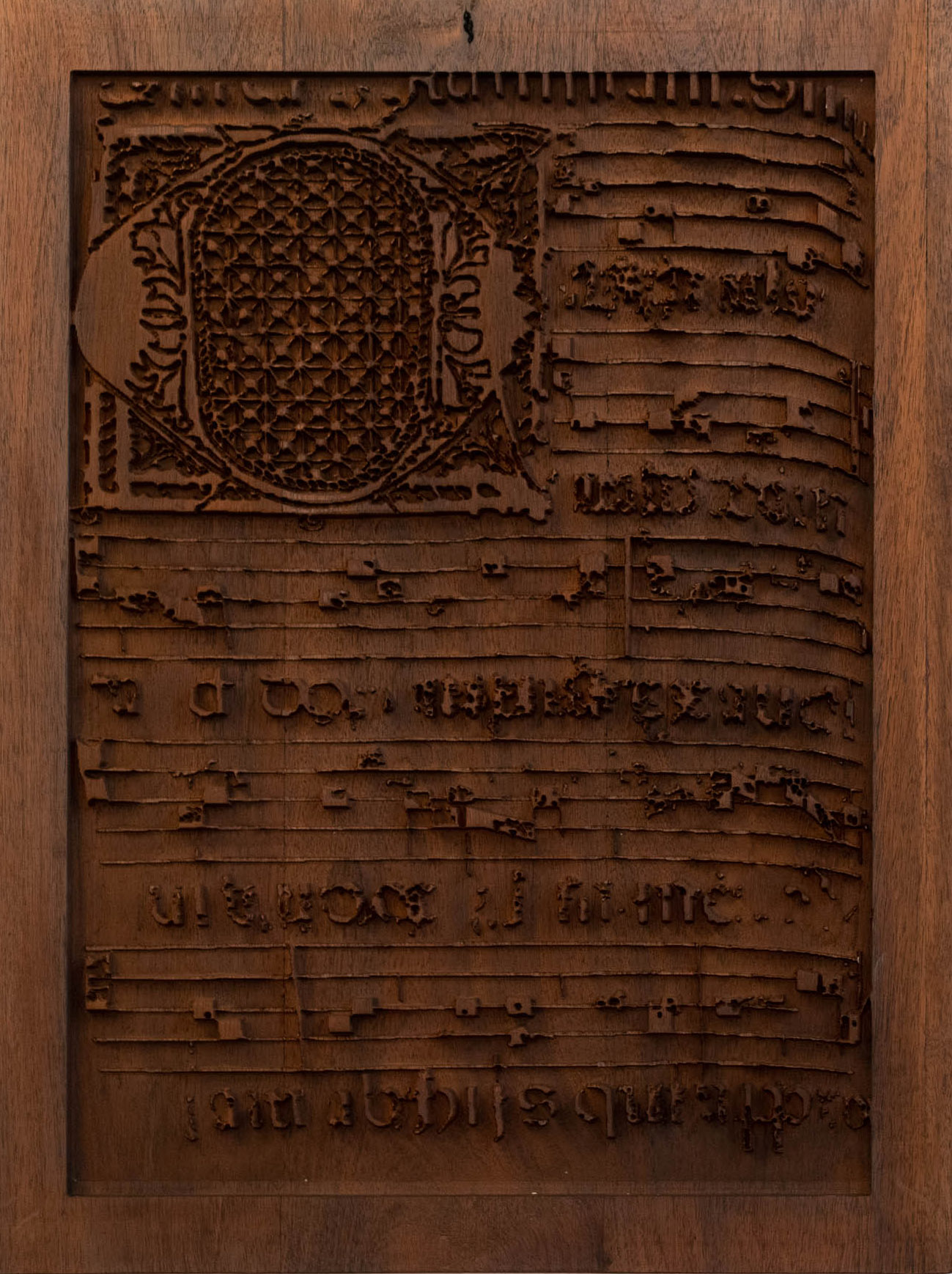
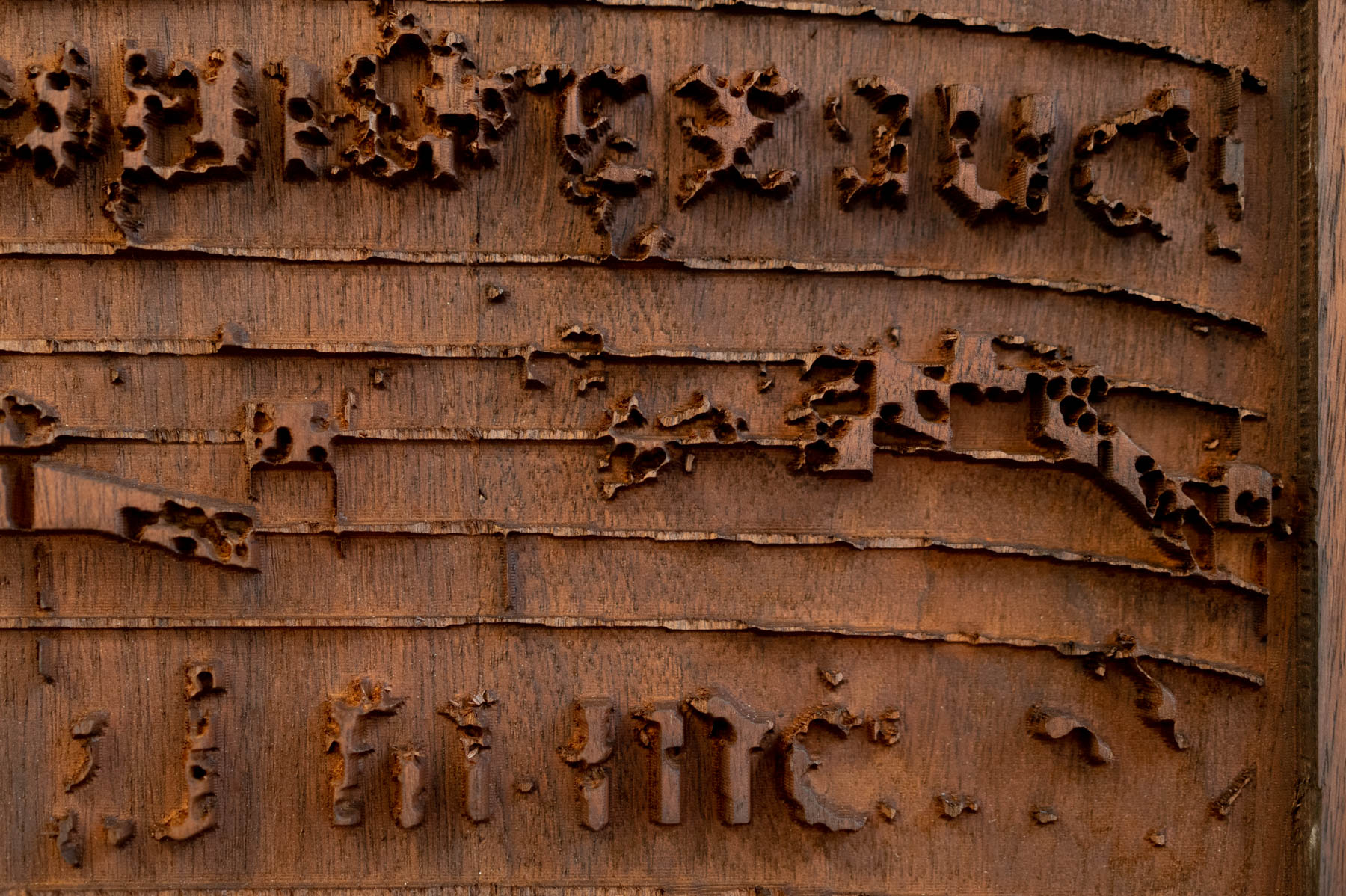
In Canto llano cuenca valle, an exhibition that explores the founding of the Santiago Tlatelolco parish through the lens of contemporary art, the Christian world is transformed into an earthly divinity—scented with flowers and accompanied by the voices of the quetzal and the chachalaca, represented by a modified plain songs. In this exhibition, you will see artistic research processes that will be updated on this page throughout the year. The works are: Canto llano cuenca valle, 2020–2021; Psalmodia Naturalis (in xochitl, in cuícatl), 2021; and Pinturas Perdidas (Mural de San Cristóbal), 2021.
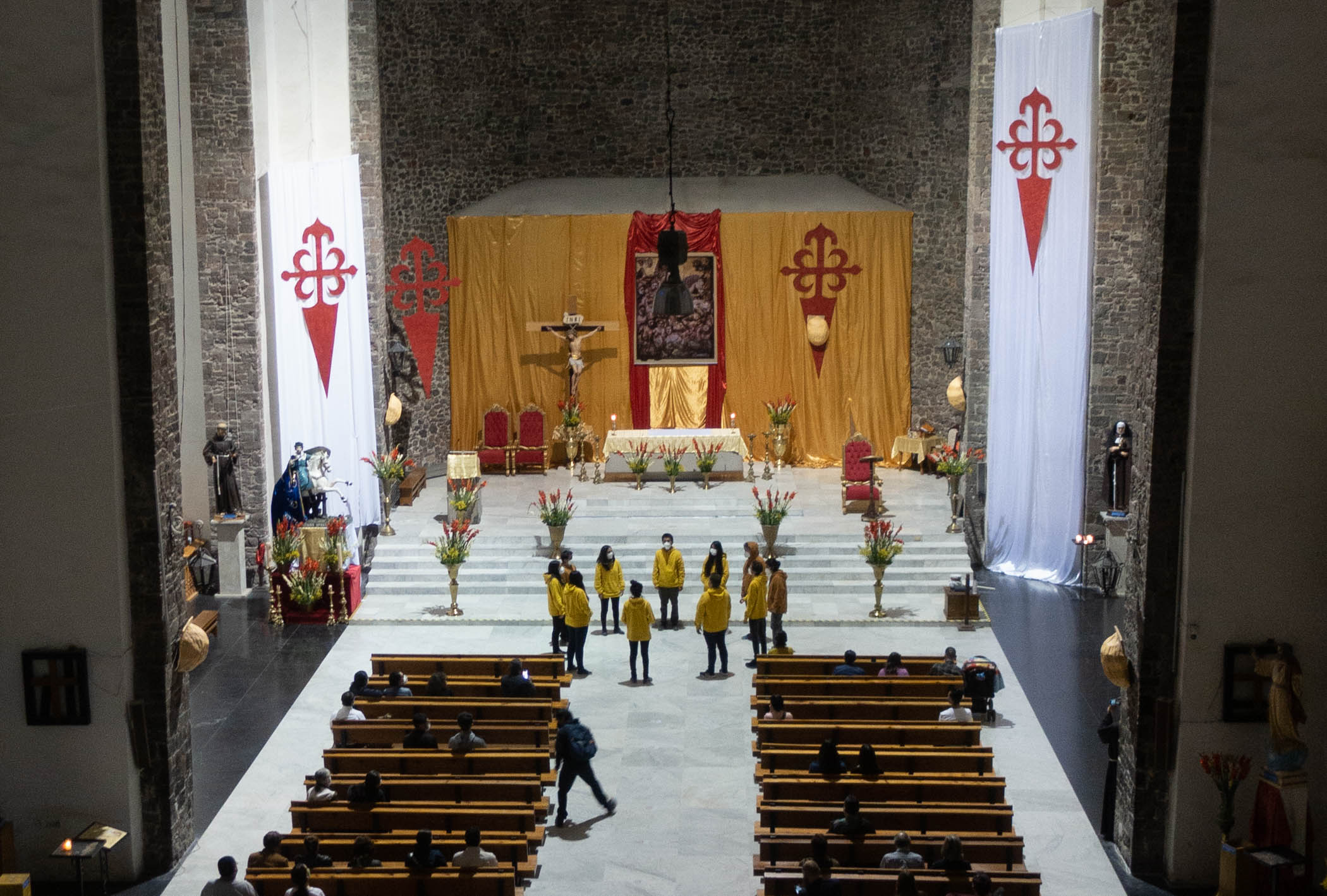
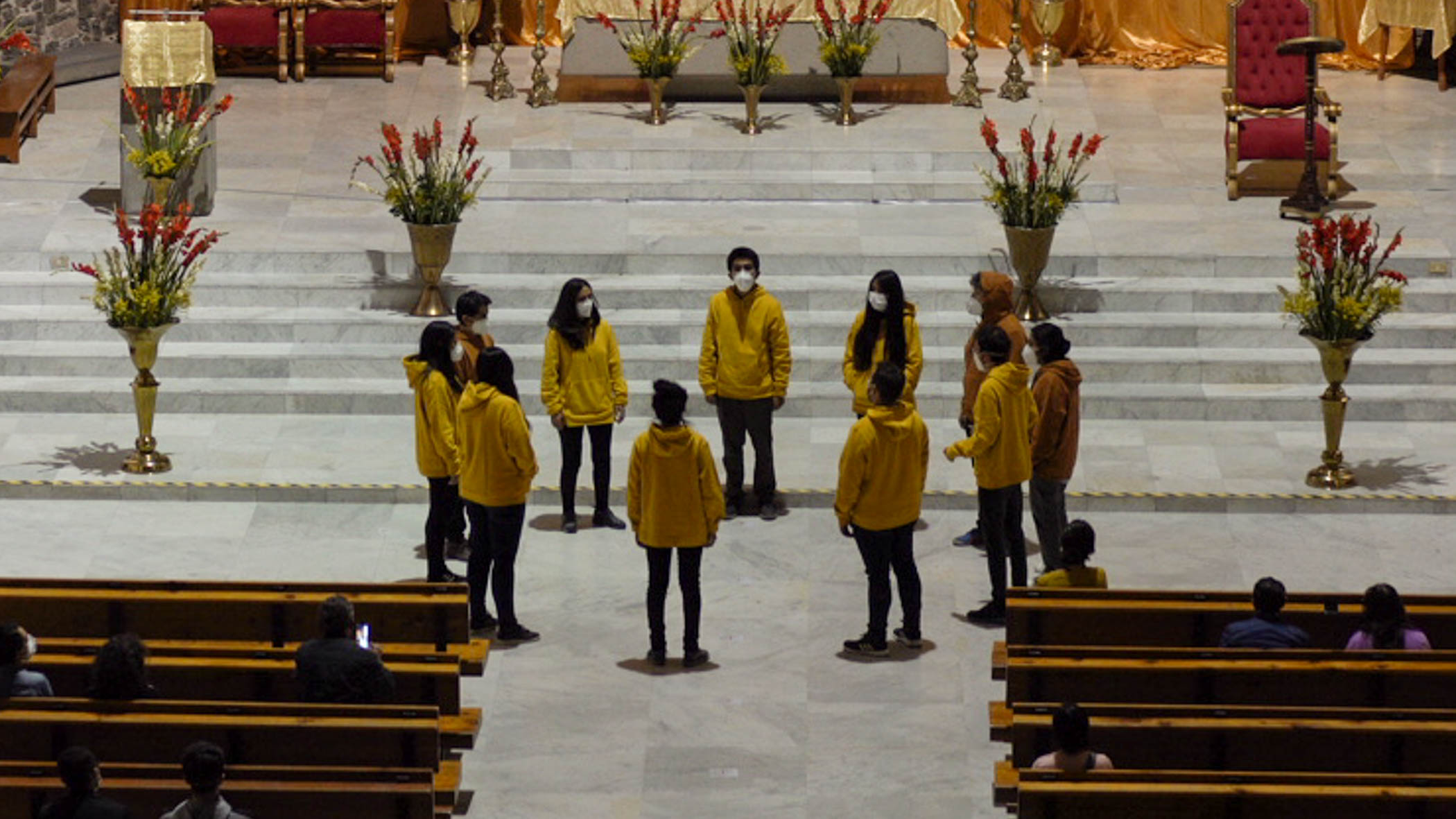
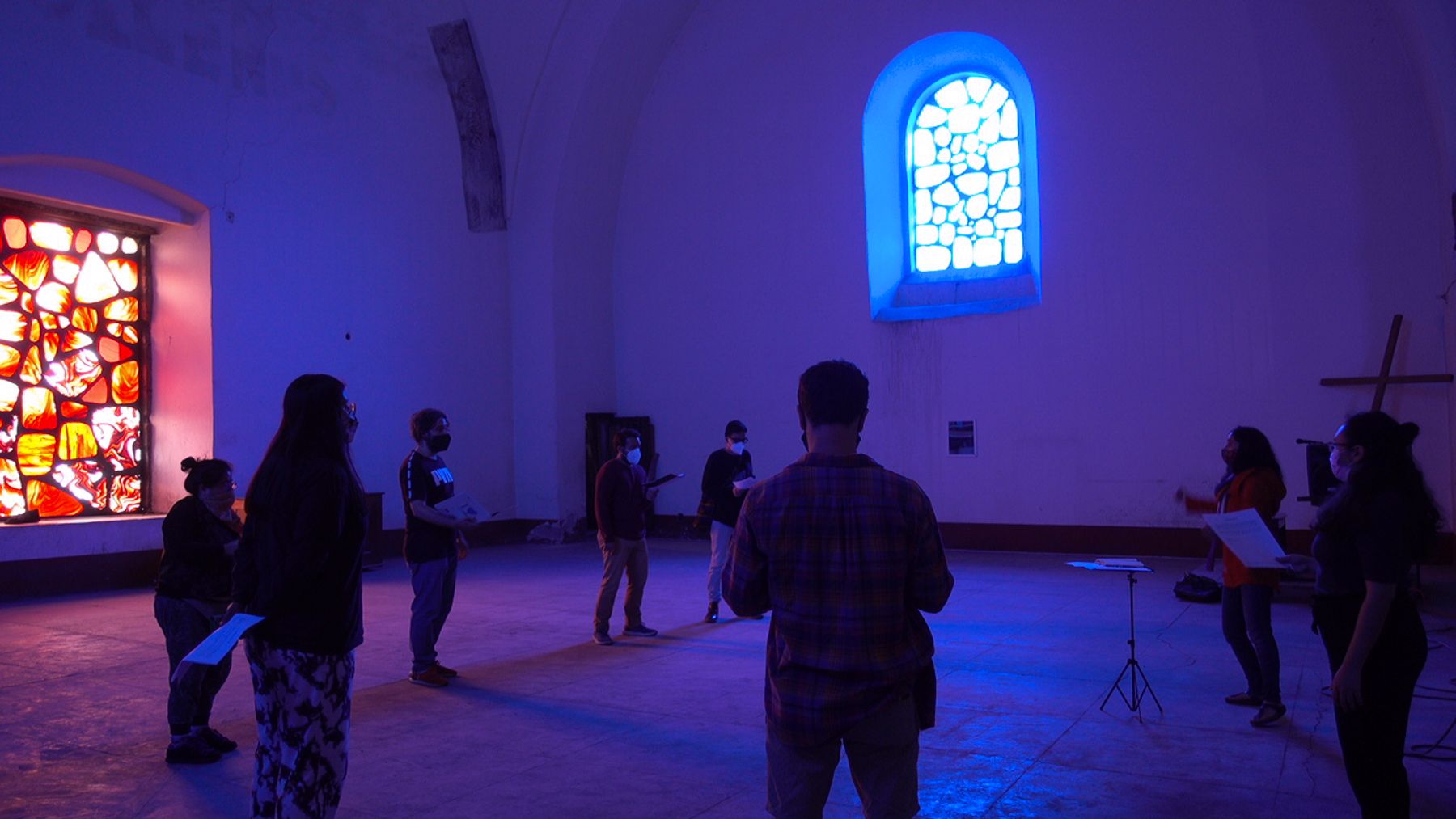
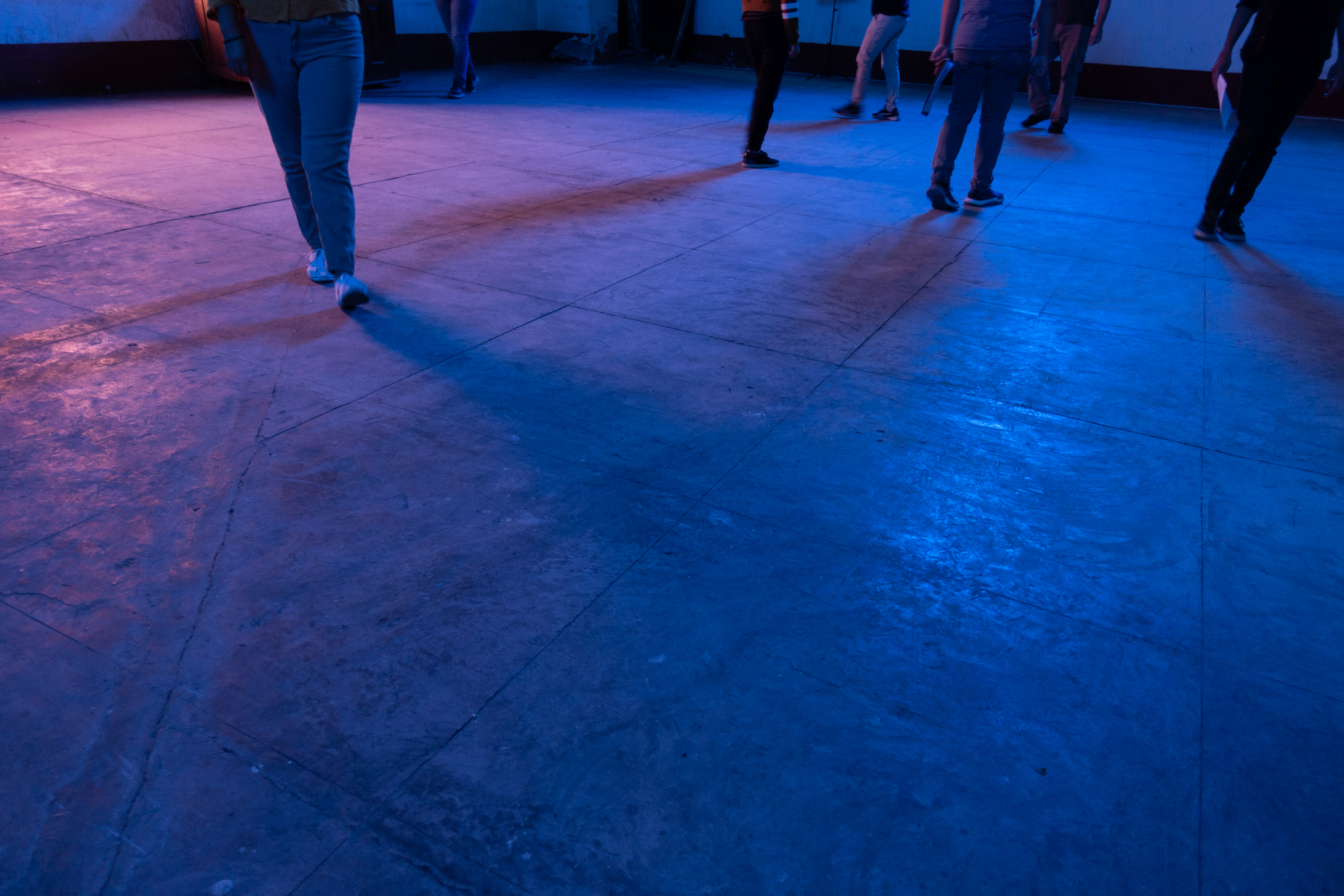
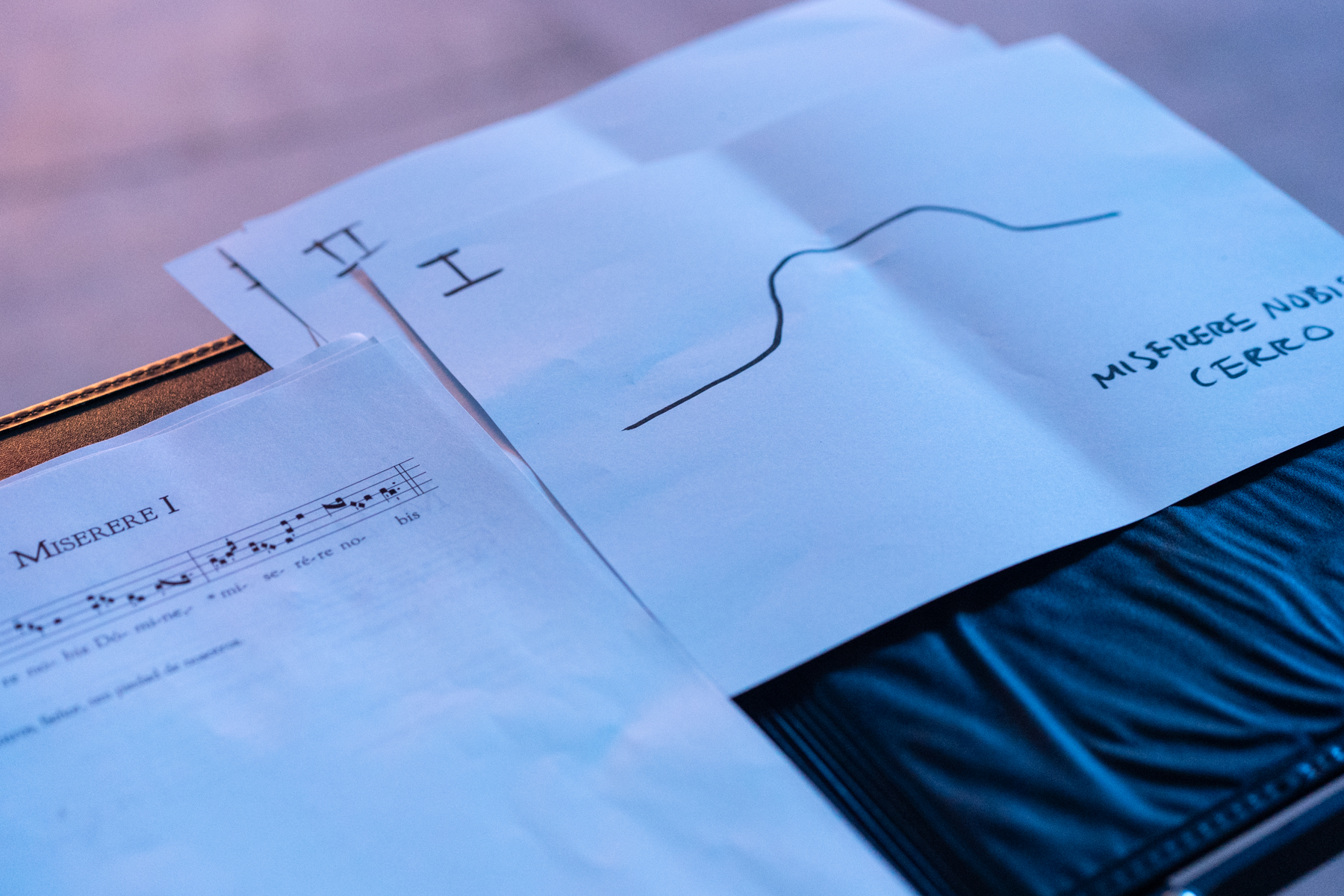
El cuerpo como espacio de resonancia; la voz como proyección de una energía interna hacia el mundo; el rostro y las manos con sus gestos; todas éstas, manifestaciones que traducidas a vibraciones sonoras crearían picos o montañas en un paisaje que Lorena Mal rescata en la partitura y su representación escultórica. El cantante se encuentra al centro, representa el punto cero, se ubica en la cuenca o el ombligo. Es así que, desde la corporalidad, Lorena Mal propone una lectura del accidente geográfico y el accidente material. Con esta pieza sonora, rescata a manera de paisaje aquellas heridas y memorias que quedaron grabadas en el contenedor y el contenido.
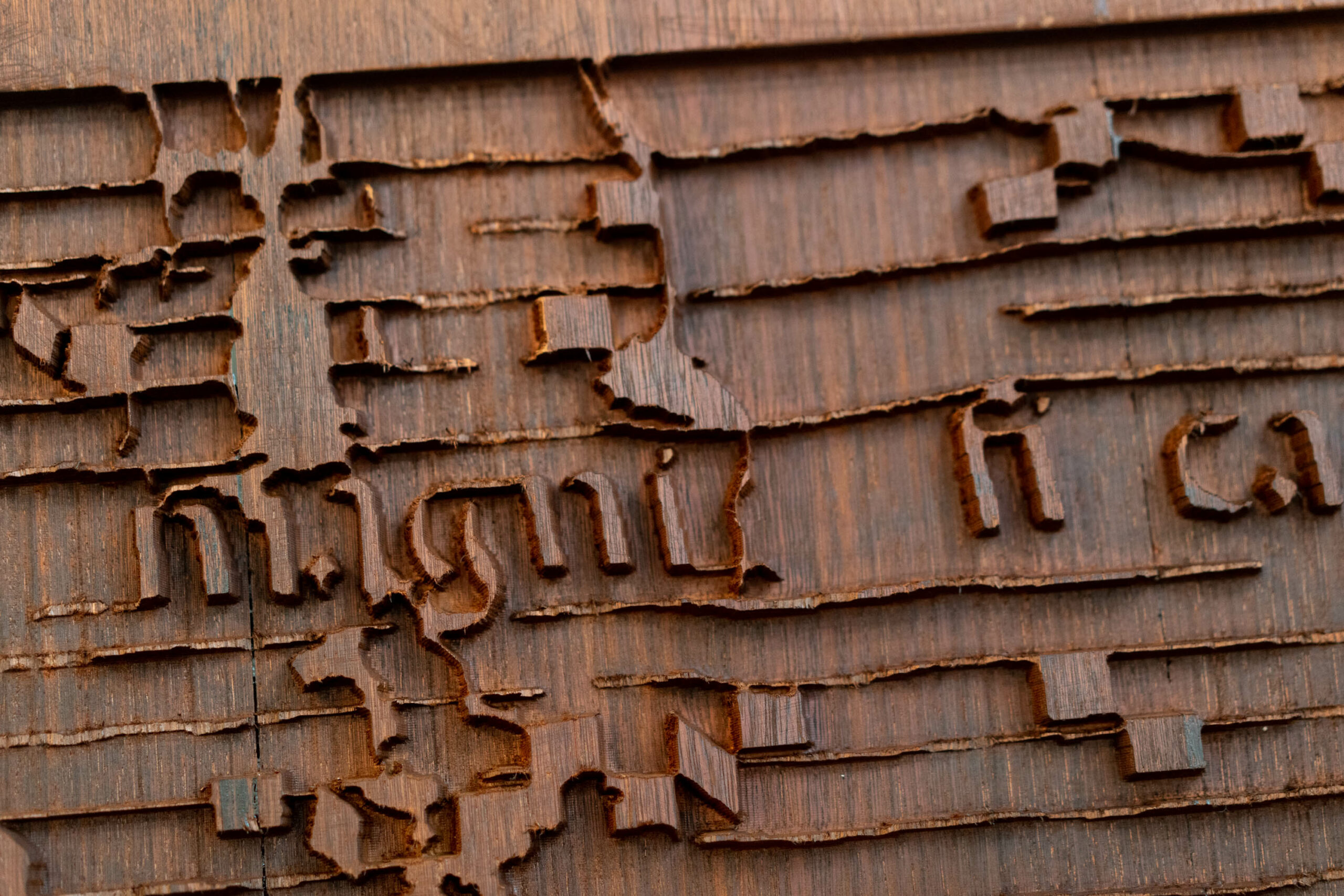
Su punto de partida fue el análisis de diversos archivos que contienen libros de coro franciscanos para revisar su estado de conservación y detectar las características del empastado, la humedad, las pérdidas de información, los capitulares en su representación botánica y animal. Esto desemboca en dos piezas: La primera, surge de la materialidad y la pérdida de información Canto llano cuenca valle (retablos) cantos inmóviles y un tanto enmudecidos por la pérdida de códigos e información en el material del que están hechos estos libros. La segunda pieza, de naturaleza sonora/performática, tendrá cuatro salidas a lo largo de un año: “Llano”, “Cuenca”, “Valle” y la pieza final. En estos cantos y atmósferas recupera la representación visual y gestual del neuma*; es decir, el análisis gestual de un libro sevillano de coro franciscano fechado en 1606: Gradual: A Dominica III Quadragesimae ad Sabbatum post Dominicam Passionis (copista: Fray Juan de Mota).
*NEUMA / SOPLO-ESPÍRITU
Este tipo de notación se utilizó durante la Edad Media (s.IX – s.XIII) para indicar la tonalidad (grave o aguda) y el tempo (movimiento-velocidad) en los cantos. Son anotaciones gráficas sobre el texto que indican intencionalidad sobre el canto; los neumas se interpretan no sólo con la proyección de la voz y su tonalidad, sino también con la gesticulación específica que el corista debe realizar para lograr la indicación expresiva.