The ideological construction of a New World unfolded as a porous, gradual, and multifaceted process; while it is correct to speak in the plural of “the conquests,” in this section we focus on sound as one of the most powerful and successful processes of conquest. Consider the ringing of bells to mark the hours, or the acceptance by the inhabitants of Cem Ãnáhuac of the singing and rituals of Christian festivals because of their own ways of worshiping the divine.
These processes did not result in a harmonious syncretism, but rather in a state of deliberate indeterminacy known as “nepantlismo.” This concept, which posits a state of transition opposed to ollin and suggests being both one thing and the other at the same time, is a cornerstone of Lorena Mal’s artistic research. From this intermediate space, the artist acknowledges the disputes over how to make sense of the idea of the world in the images and texts that accompanied the liturgy.
This section explores a reconnection, through contemporary art, with the archive, the image, sound, and their relationship to the body, song, and the human and botanical landscape: resonances that do not lose their voice, but rather propose a transformation. “Llano” refers both to the Gregorian chant tradition of a single voice (monophonic) and to its geographical meaning; thus, the concept moves in two directions in a kind of translation that constantly shifts from one place to another (Nepantla). Singing is thus a poetic and political act that allows for the mapping out of at least two ways of understanding the world. Plainchant was used in evangelization by incorporating psalms and masses in Latin and Nahuatl as part of the education of children and young people, just as singing is also a Nahua ritual practice.
Lorena Mal, a Mexican artist born in 1986, conducts interdisciplinary research that explores material culture and historical discourses. Through image and sound, she questions the ways in which knowledge is constructed, explores its structures, and proposes an alternative approach. For 1610/3, she is developing a research project that explicitly positions sound as a space of political, territorial, and religious tensions that either impose a new world (a new way of listening) or resist it through the voice of a pre-existing world-structure.
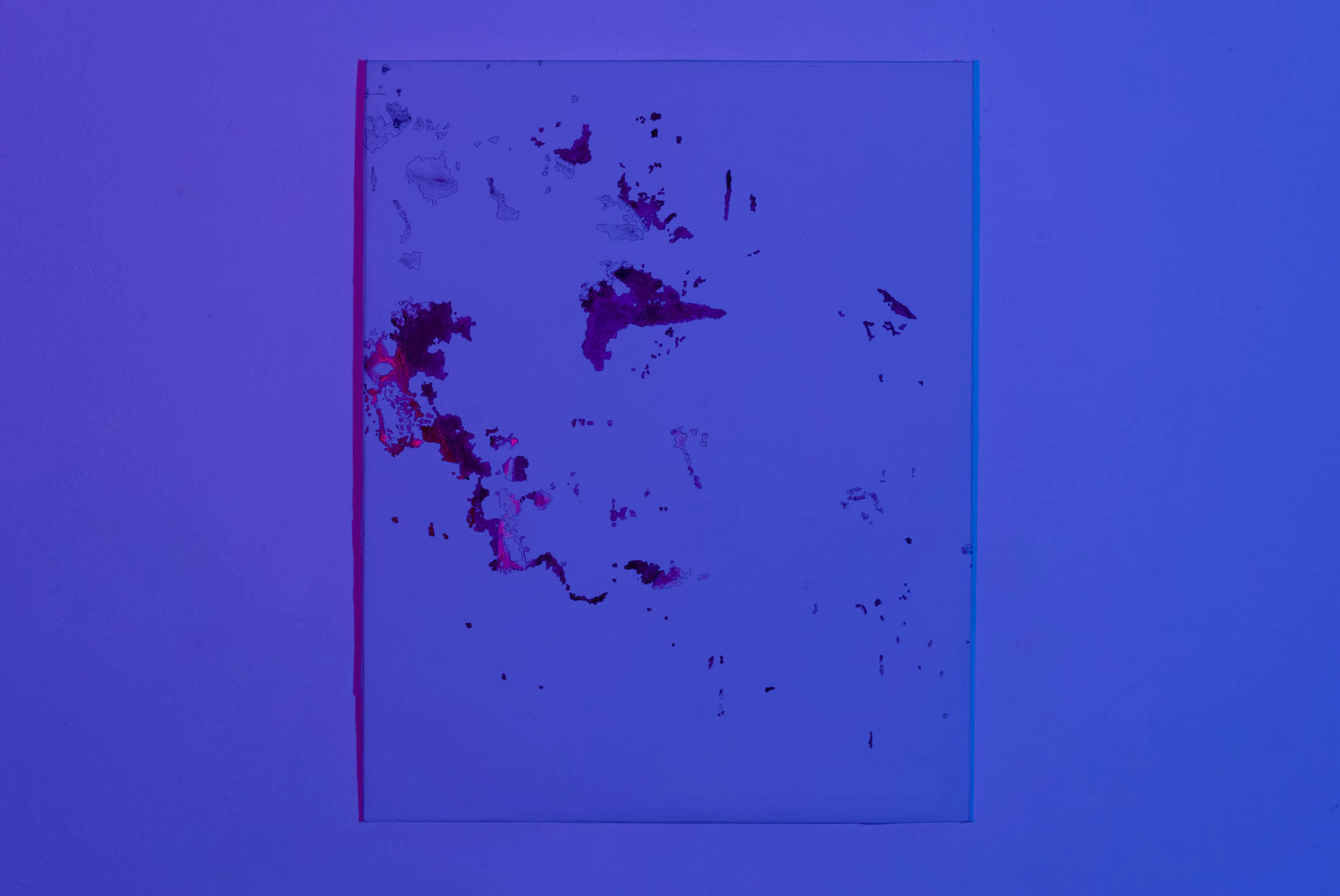
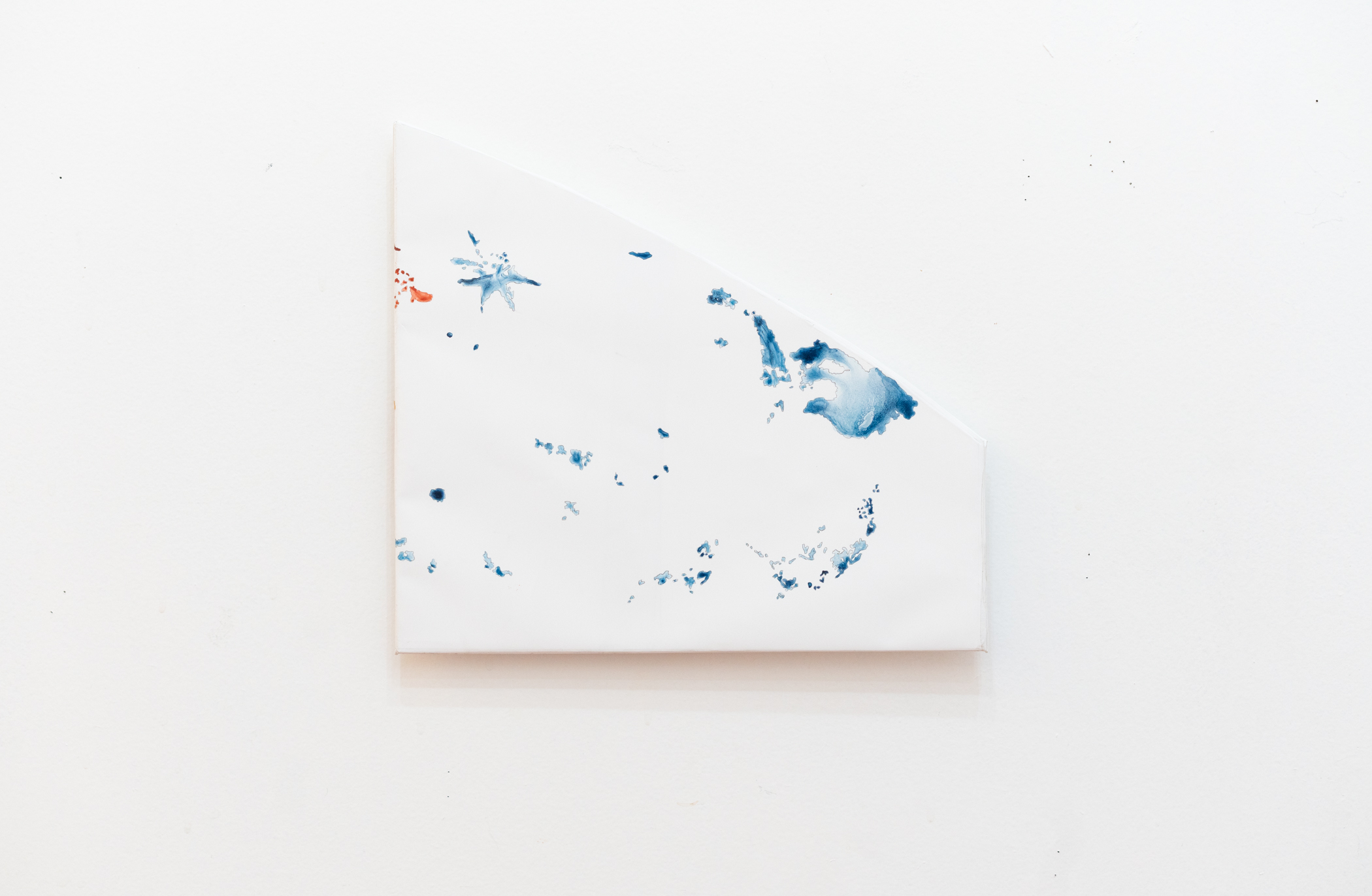
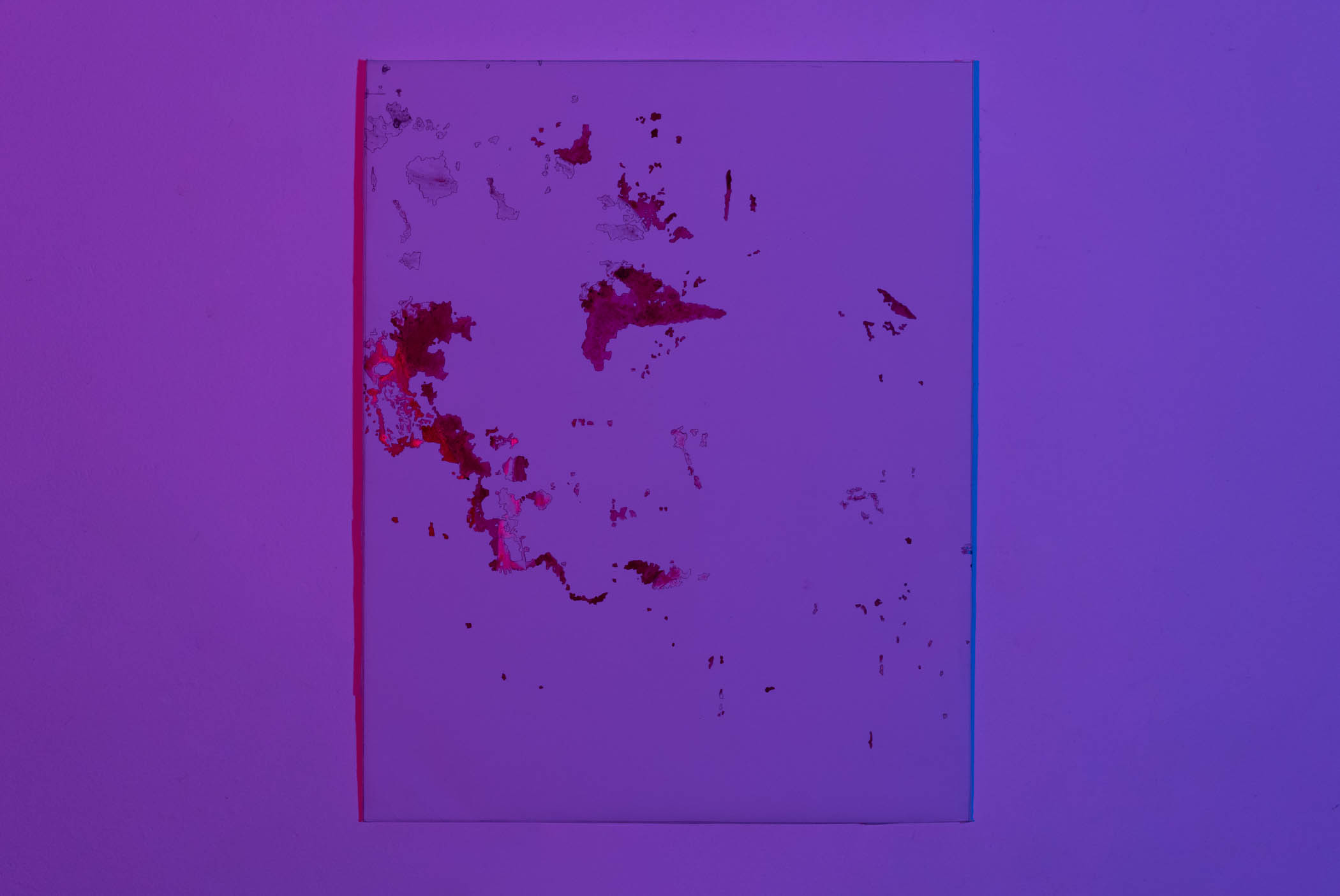
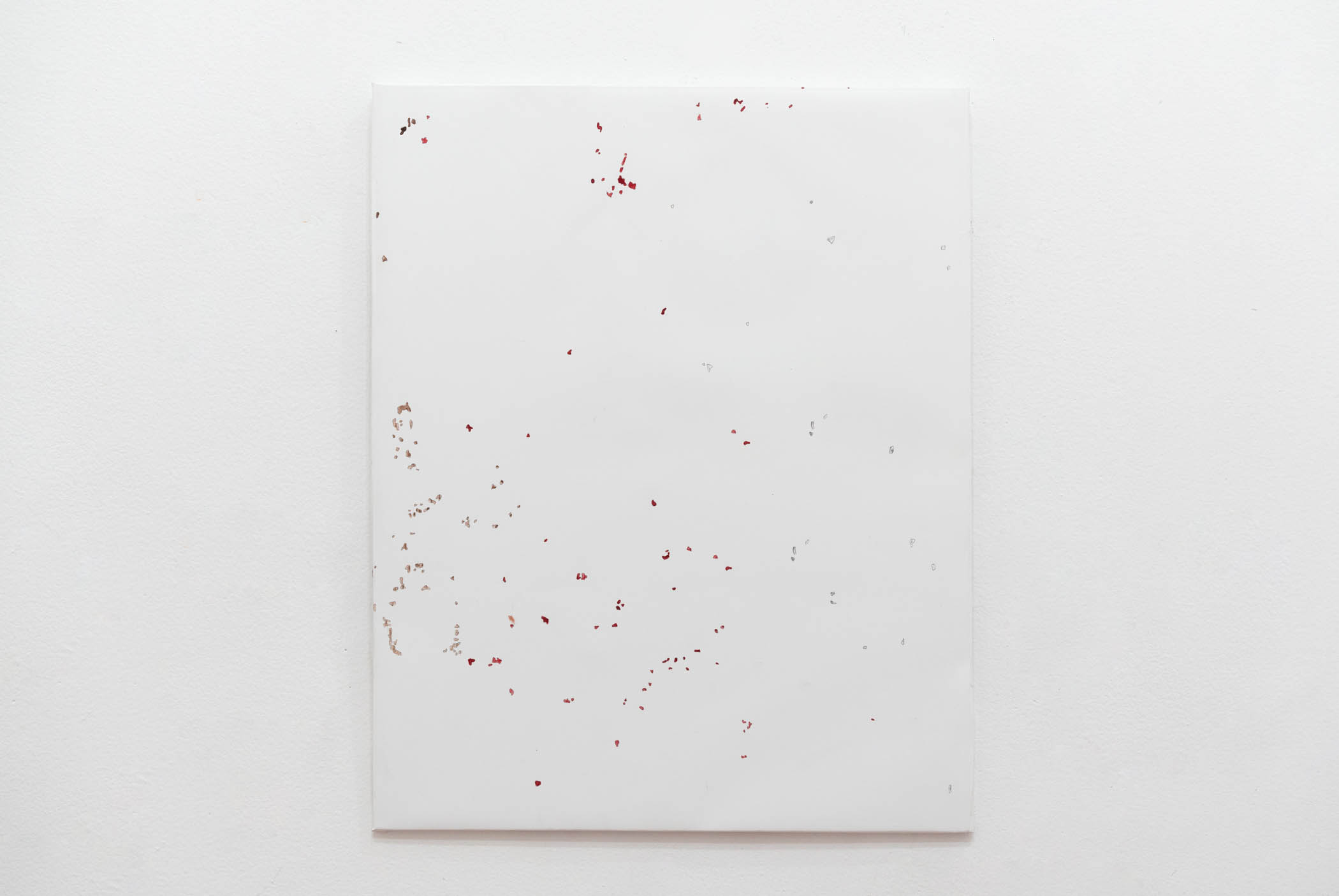
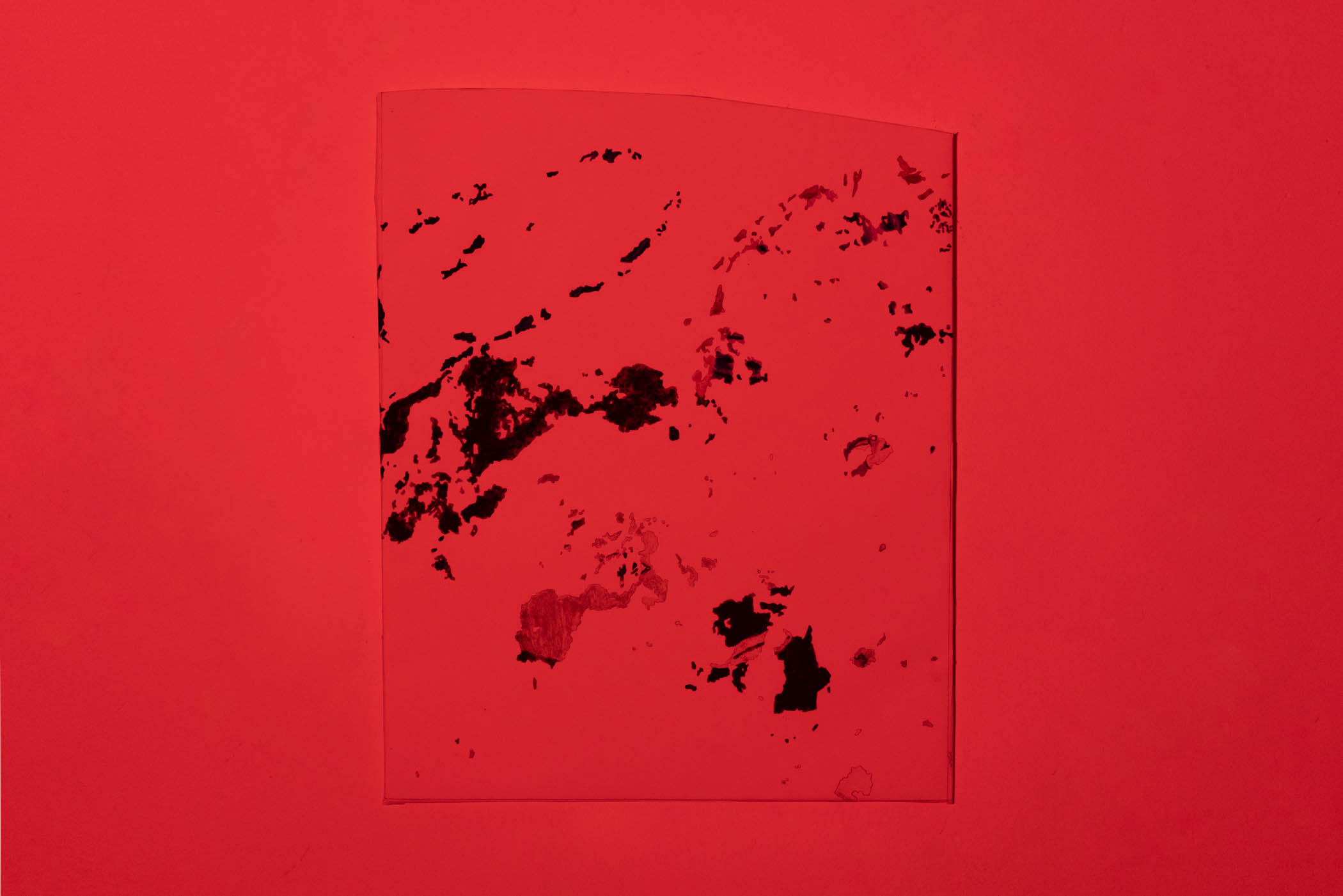
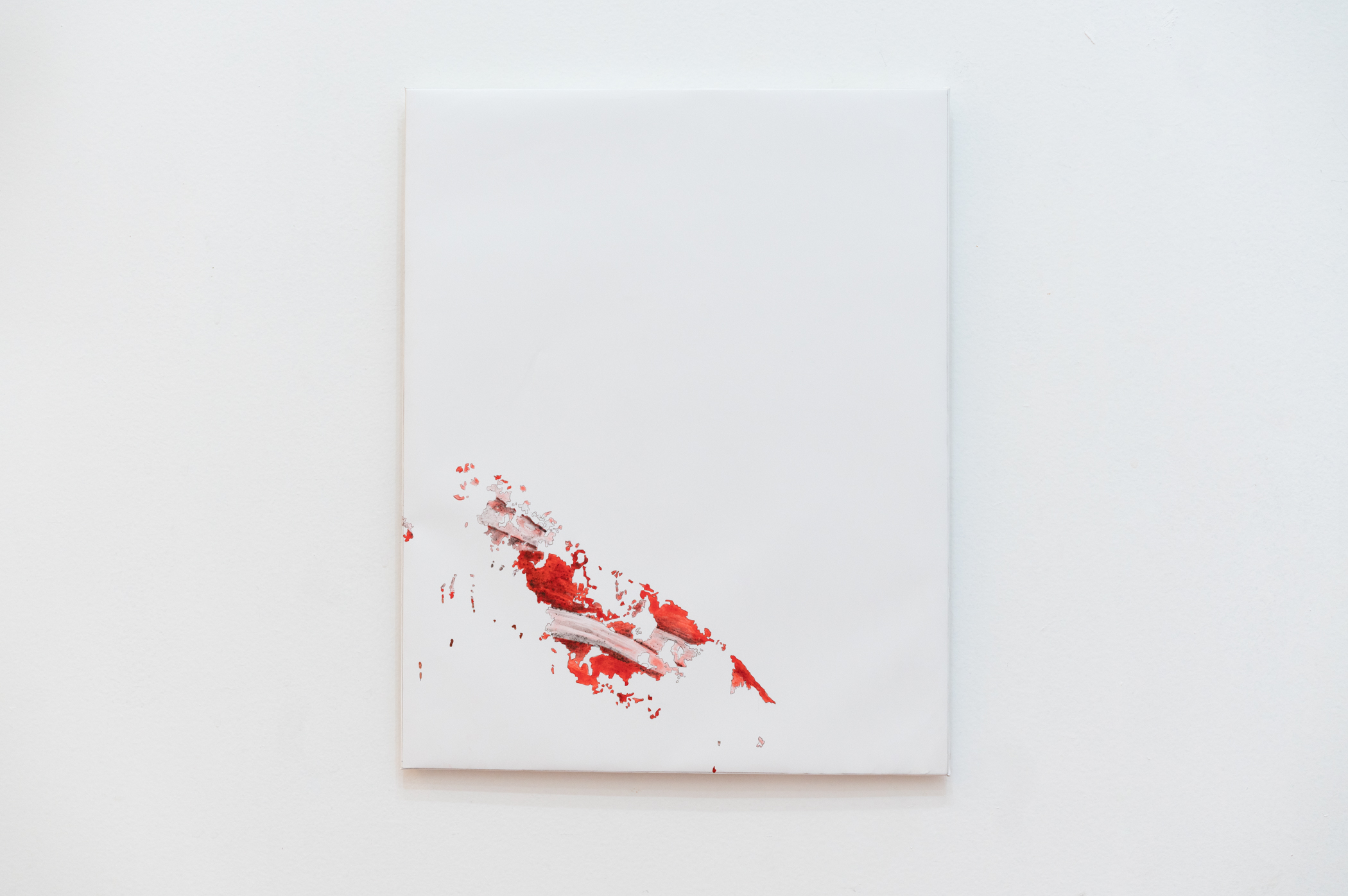
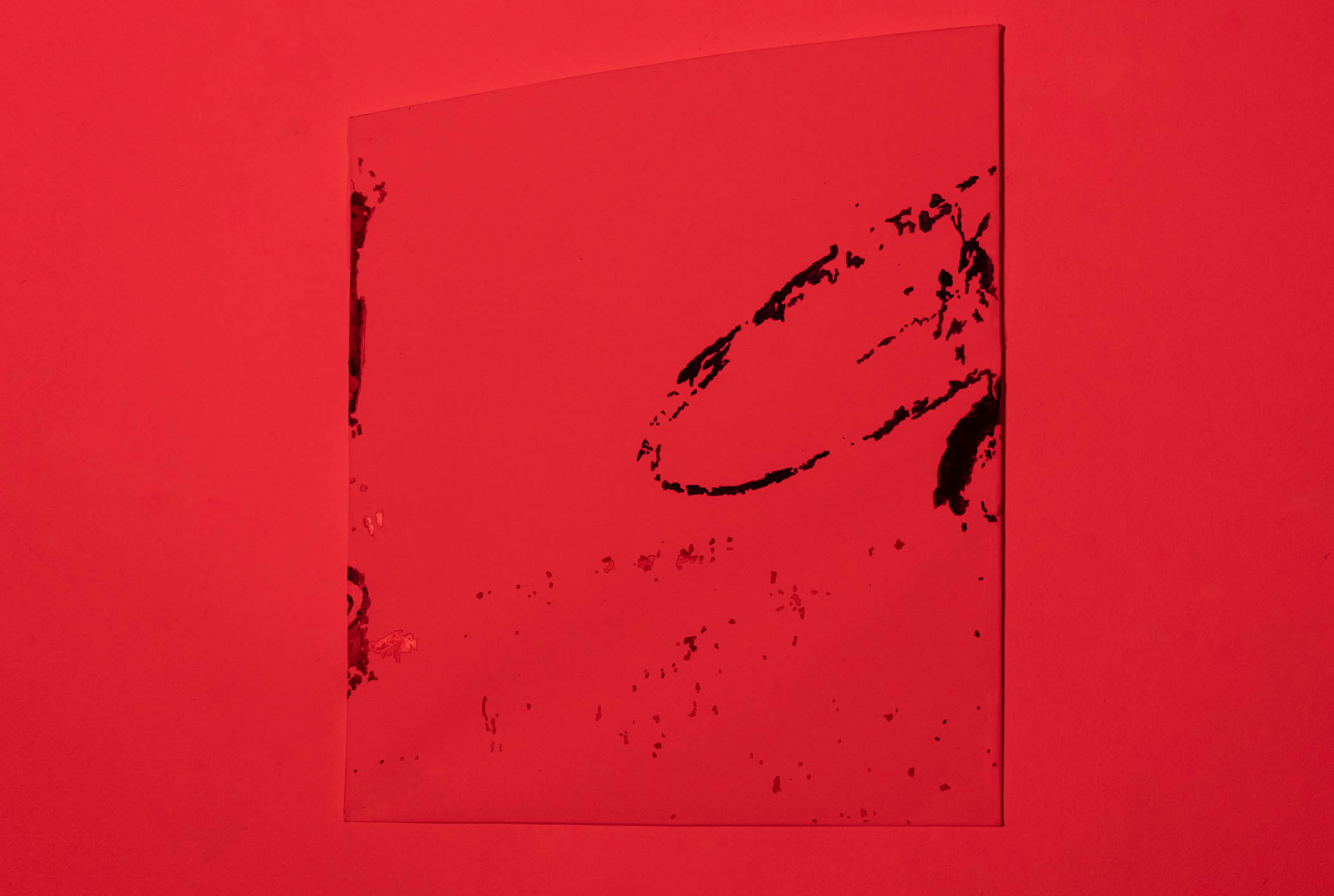
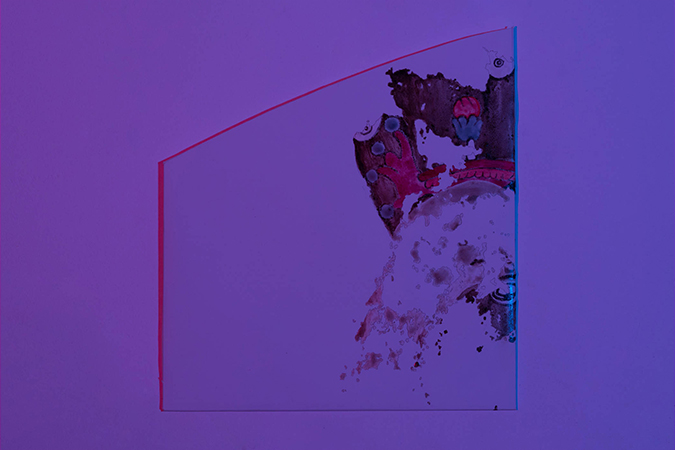
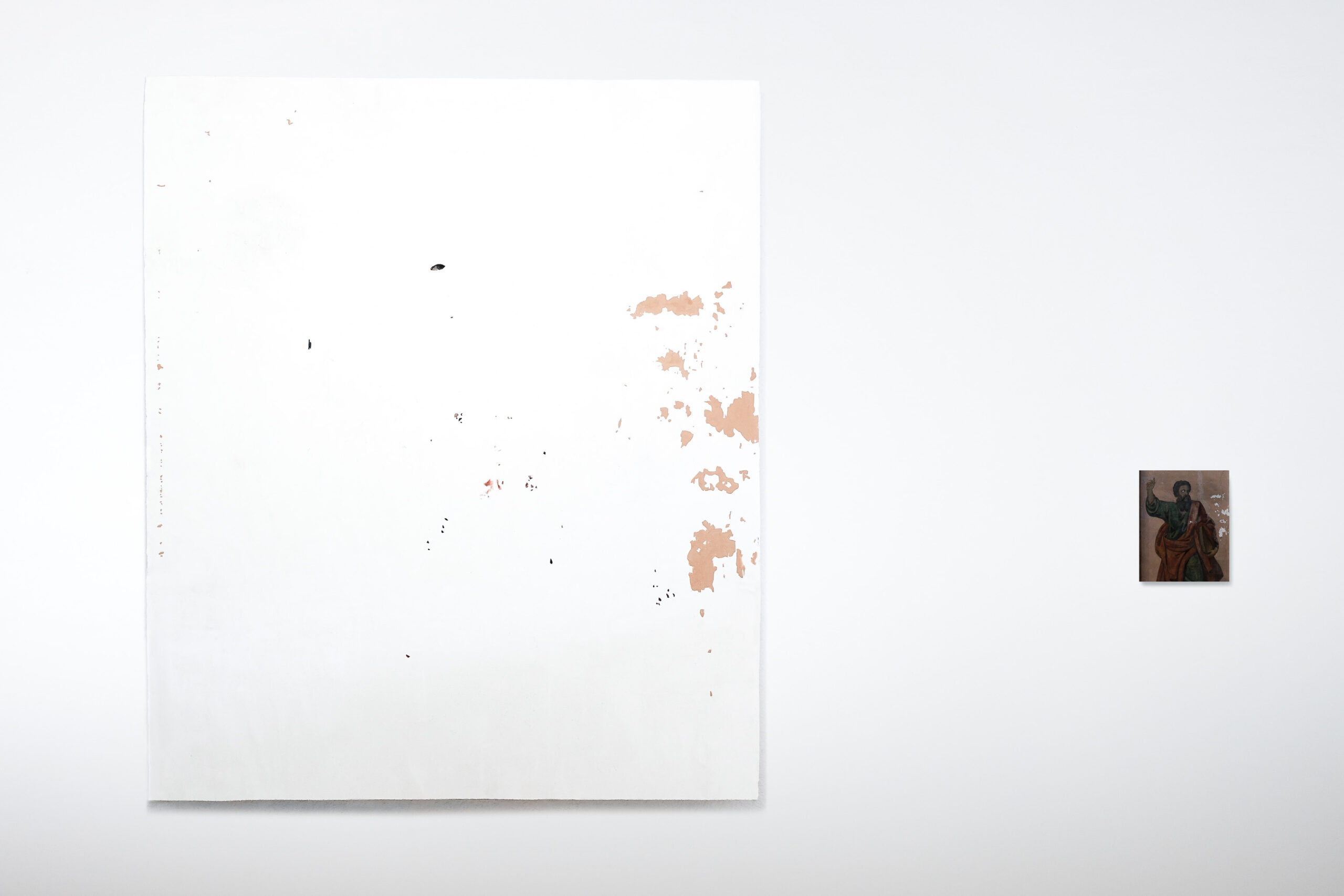
In Canto llano cuenca valle, an exhibition that explores the founding of the Santiago Tlatelolco parish through the lens of contemporary art, the Christian world is transformed into an earthly divinity—scented with flowers and accompanied by the voices of the quetzal and the chachalaca, represented by a modified plain songs. In this exhibition, you will see artistic research processes that will be updated on this page throughout the year. The works are: Canto llano cuenca valle, 2020–2021; Psalmodia Naturalis (in xochitl, in cuícatl), 2021; and Pinturas Perdidas (Mural de San Cristóbal), 2021.
Pinturas Perdidas (mural de San Cristóbal)
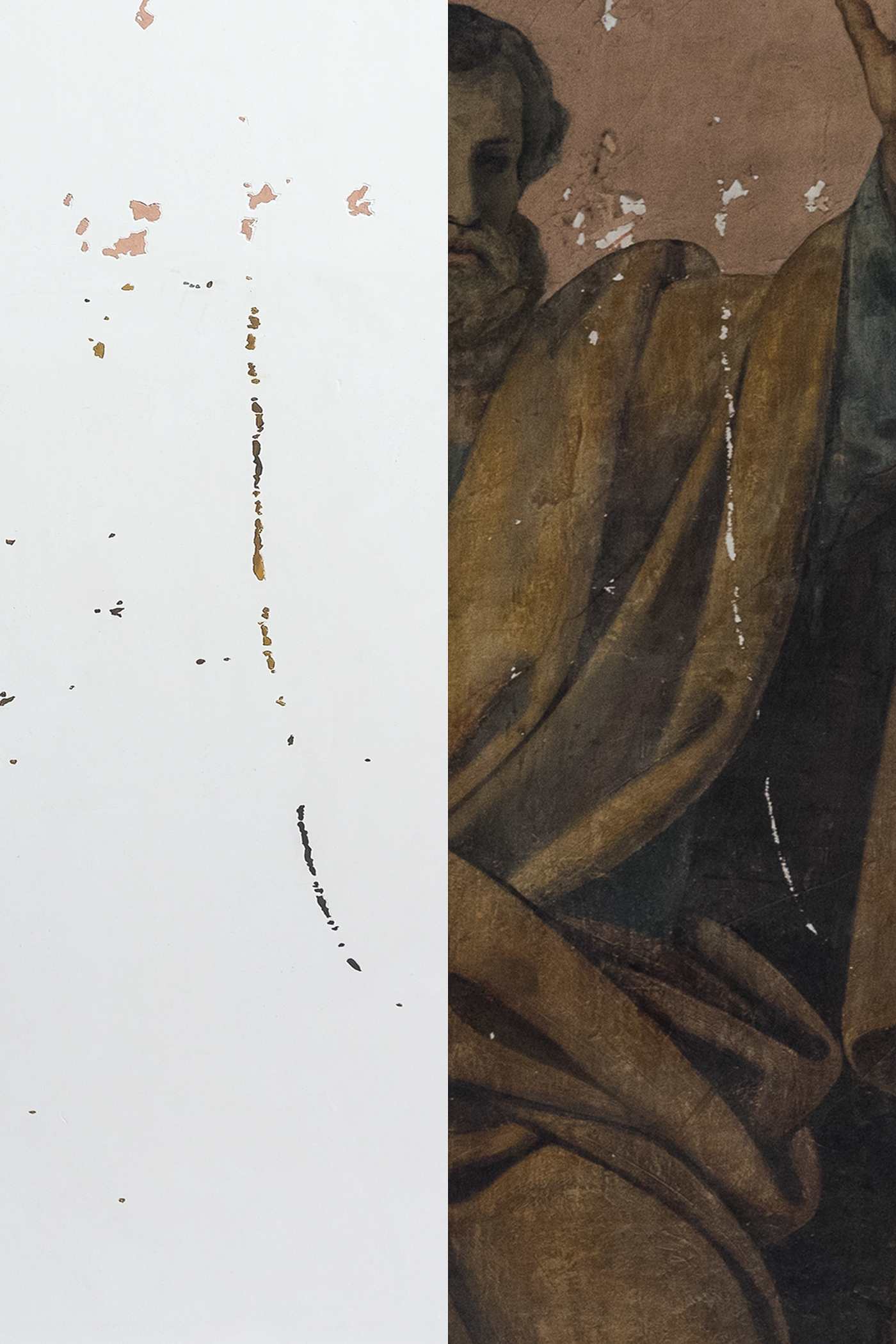
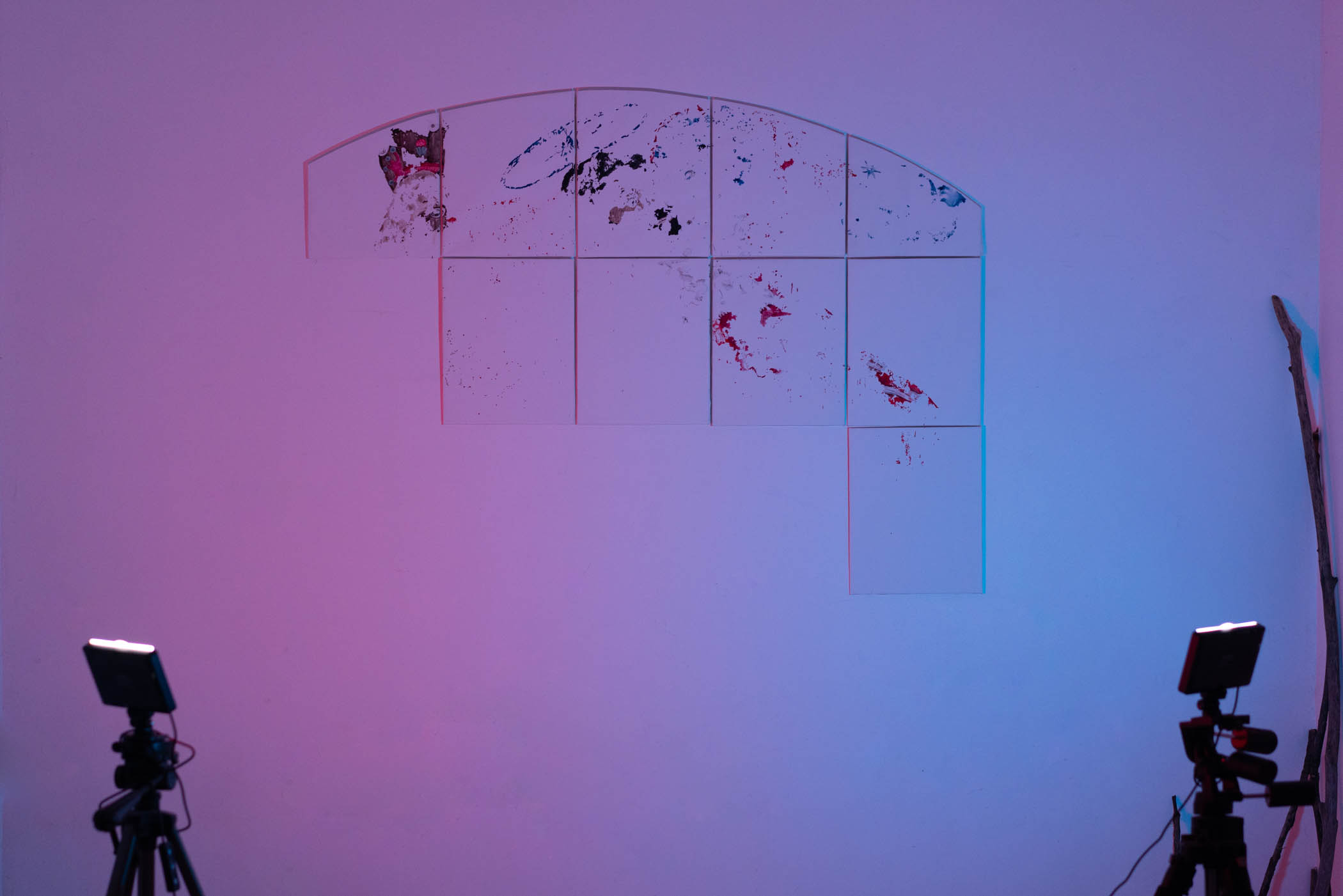
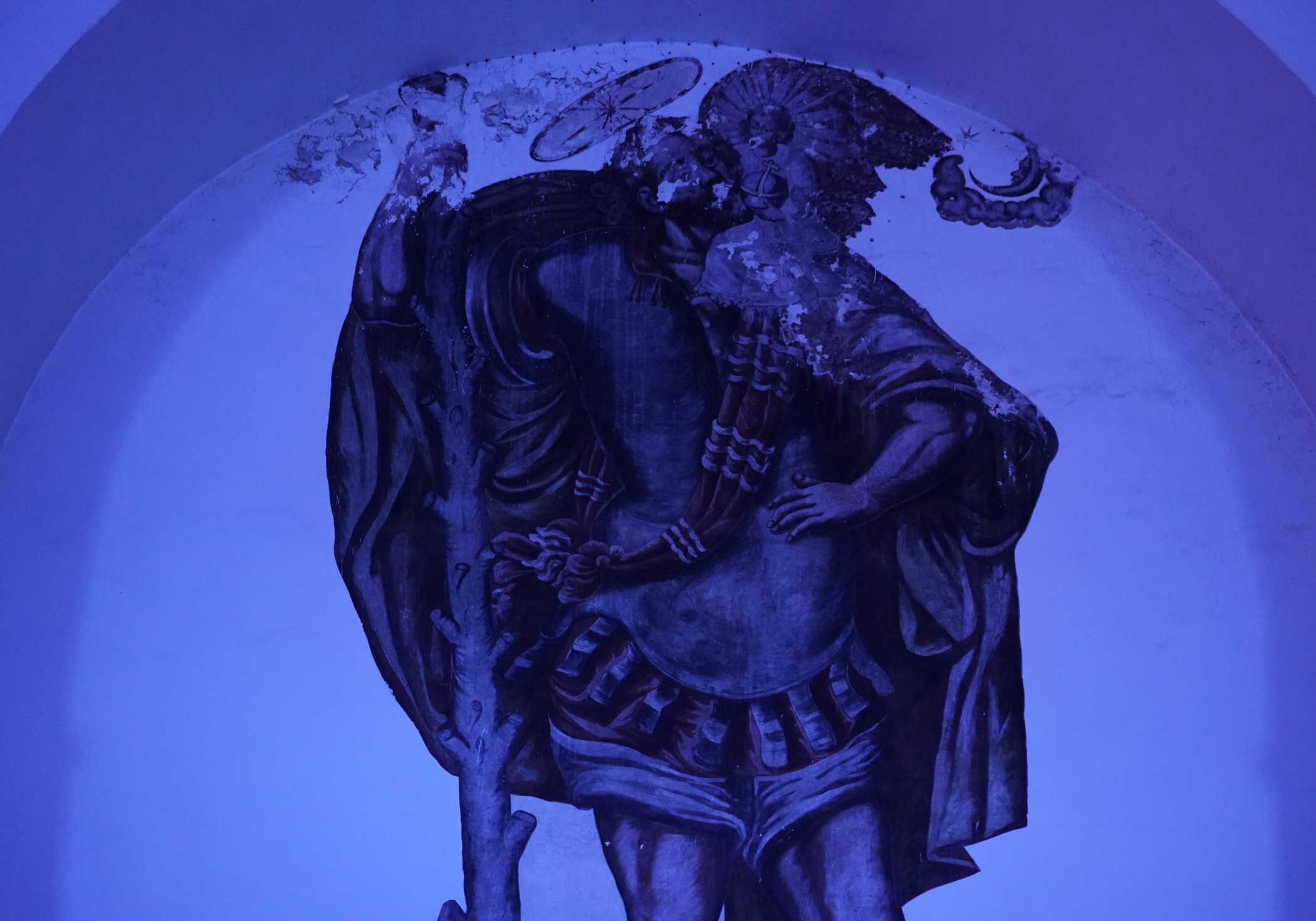
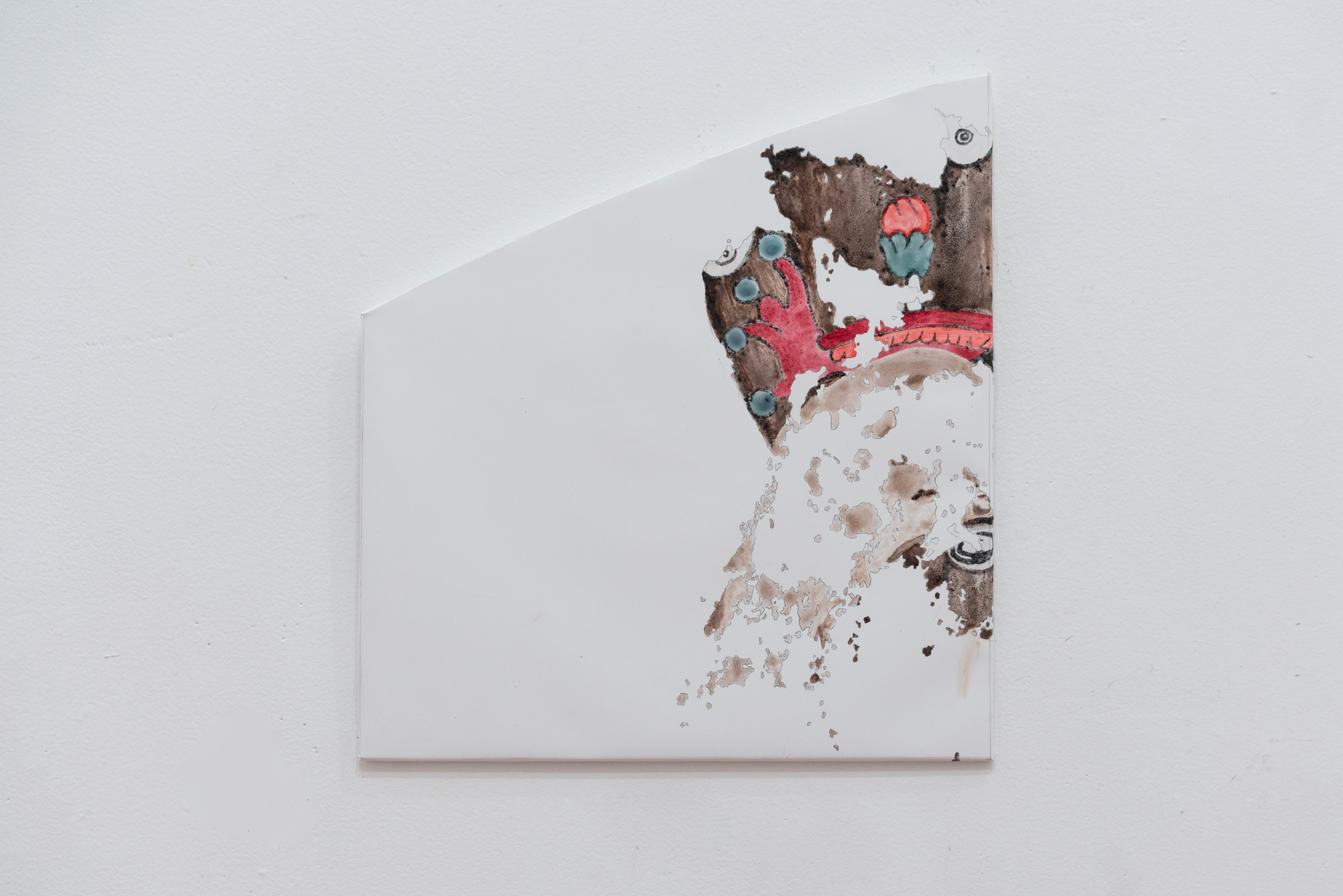
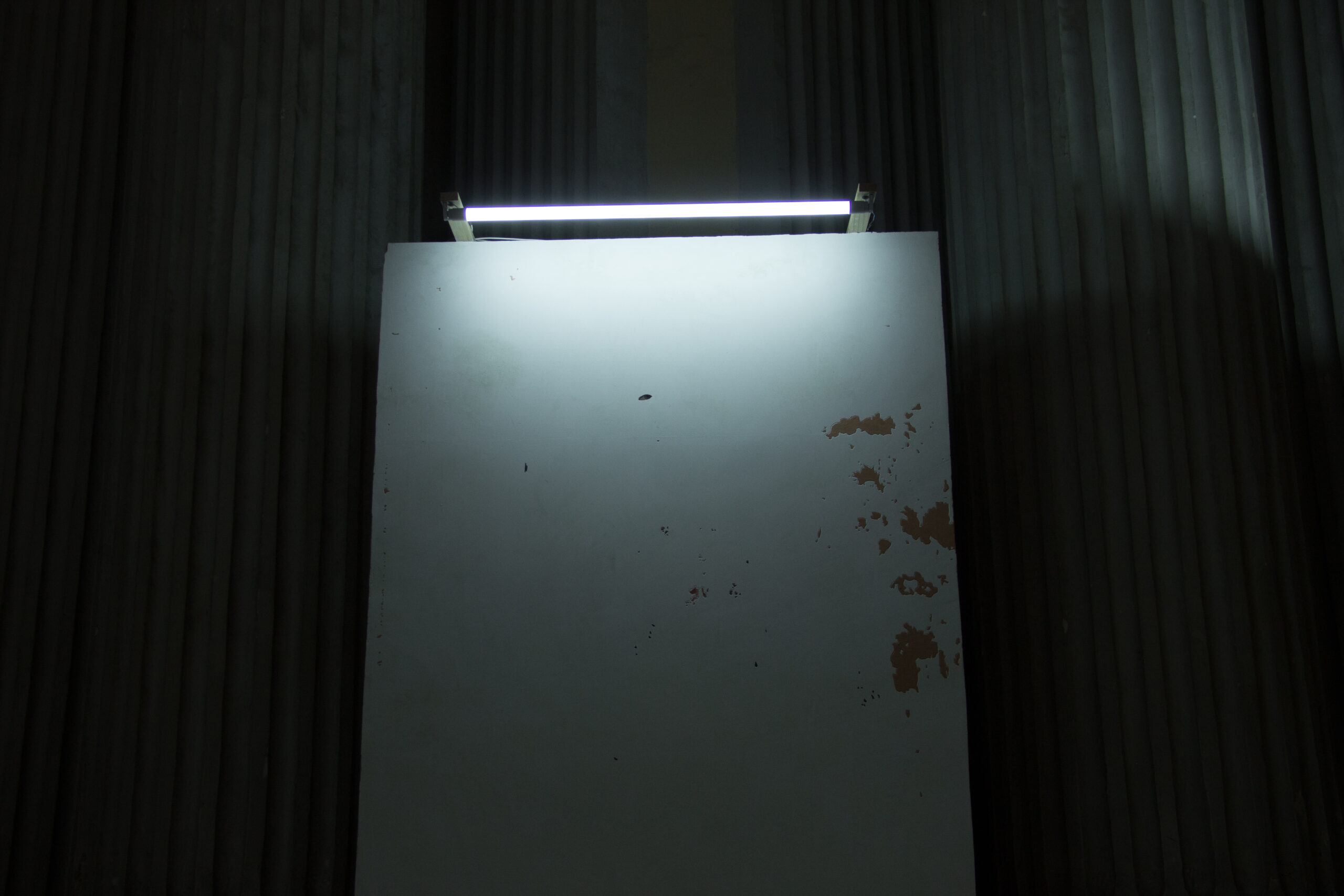
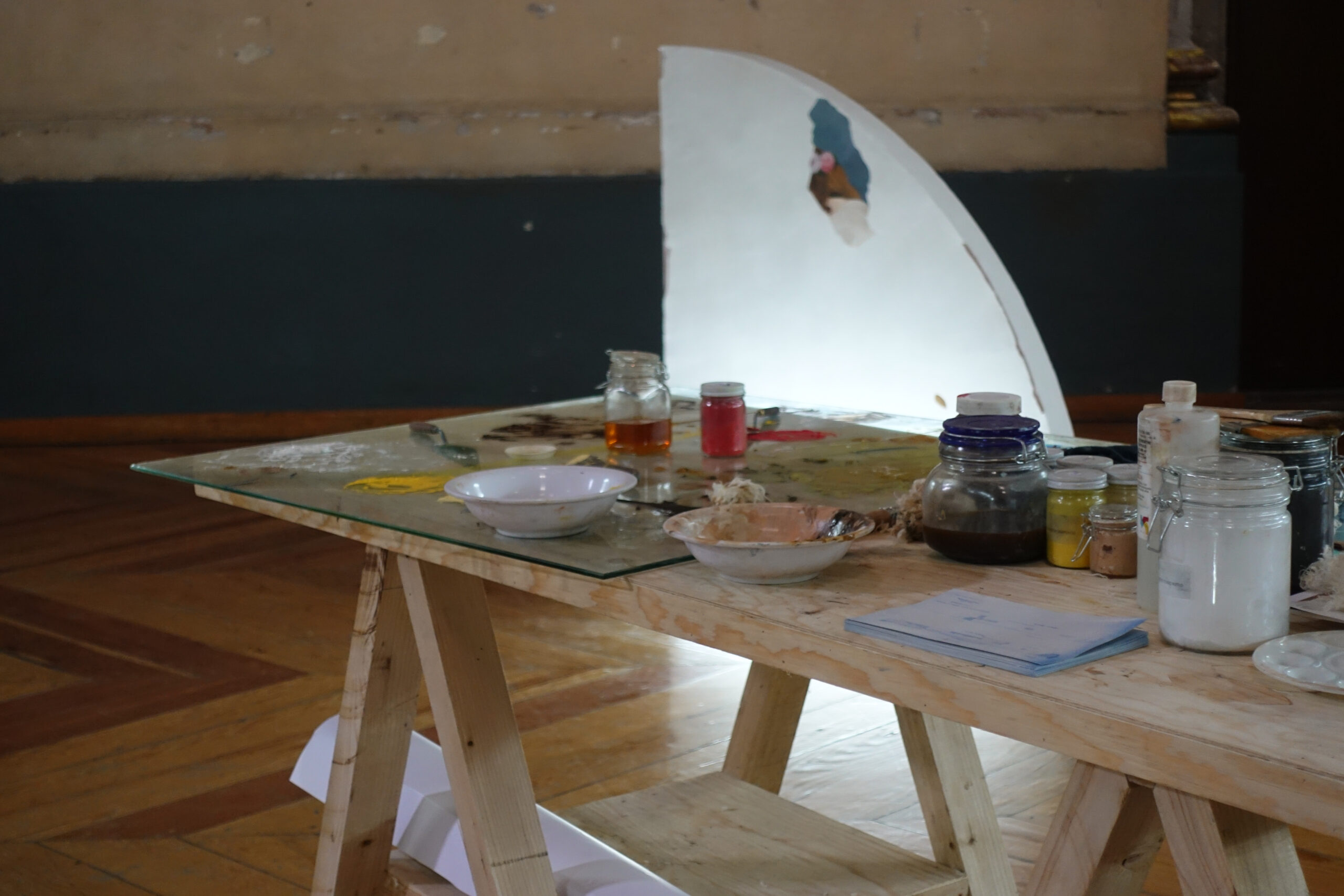
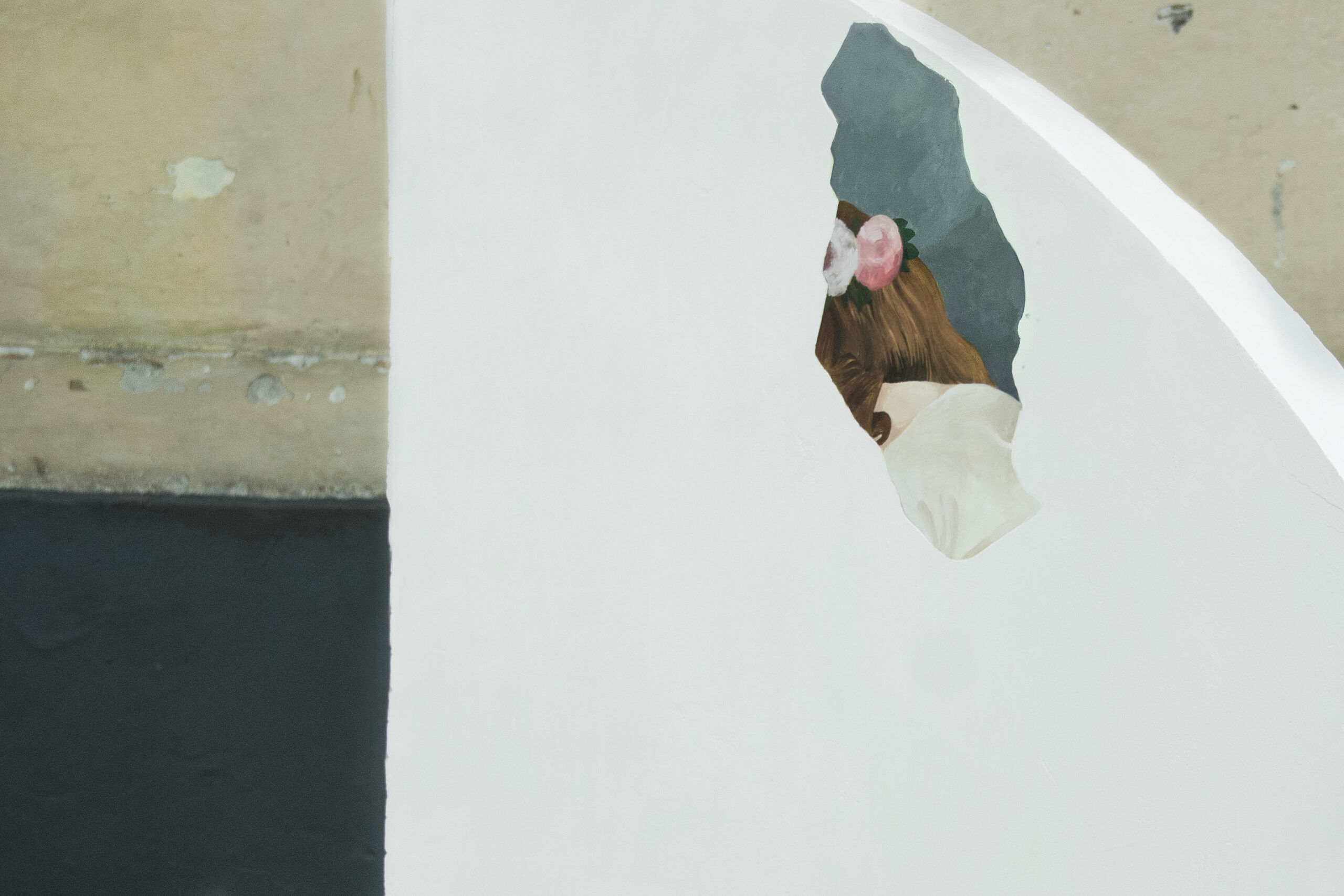
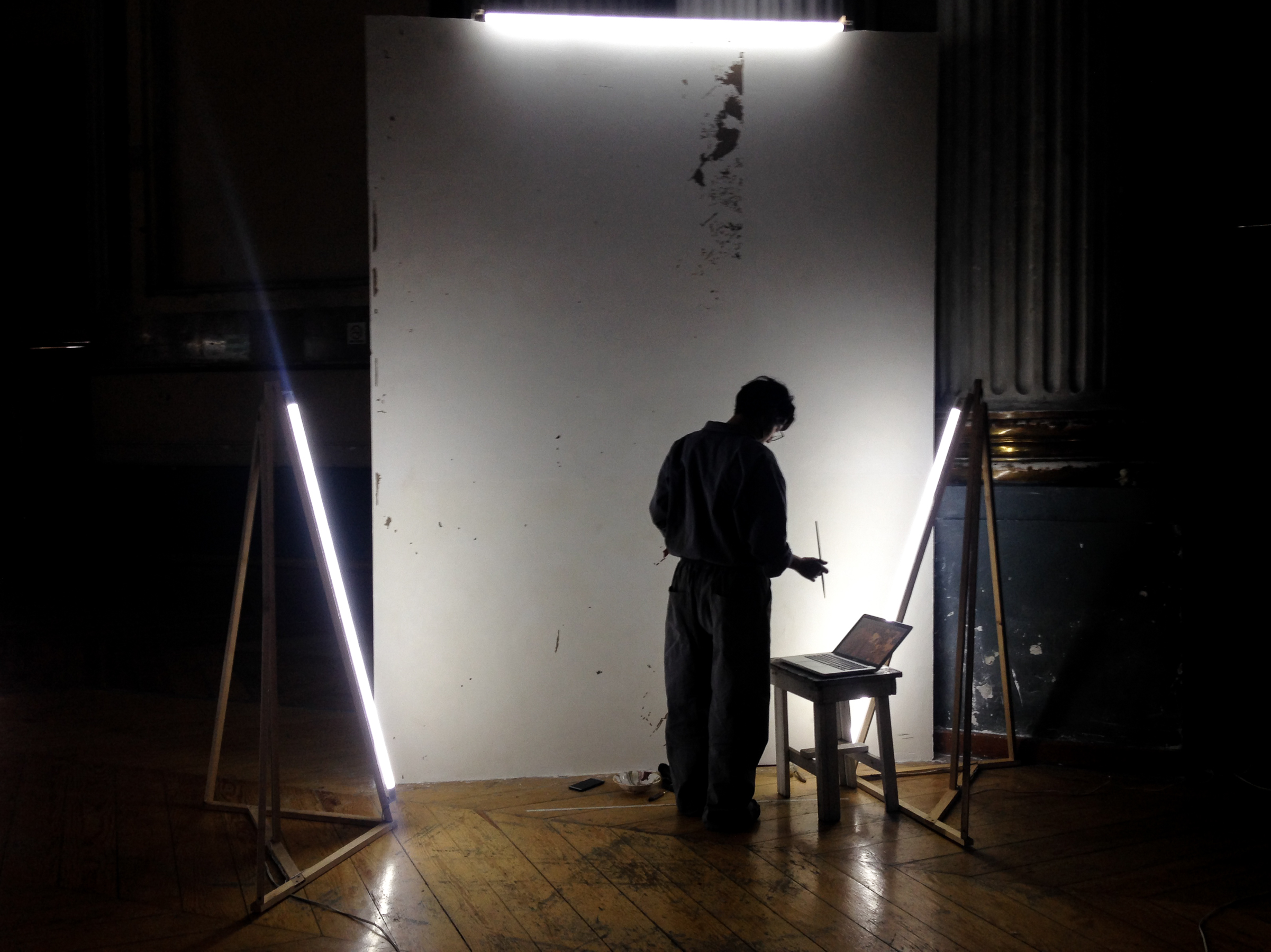
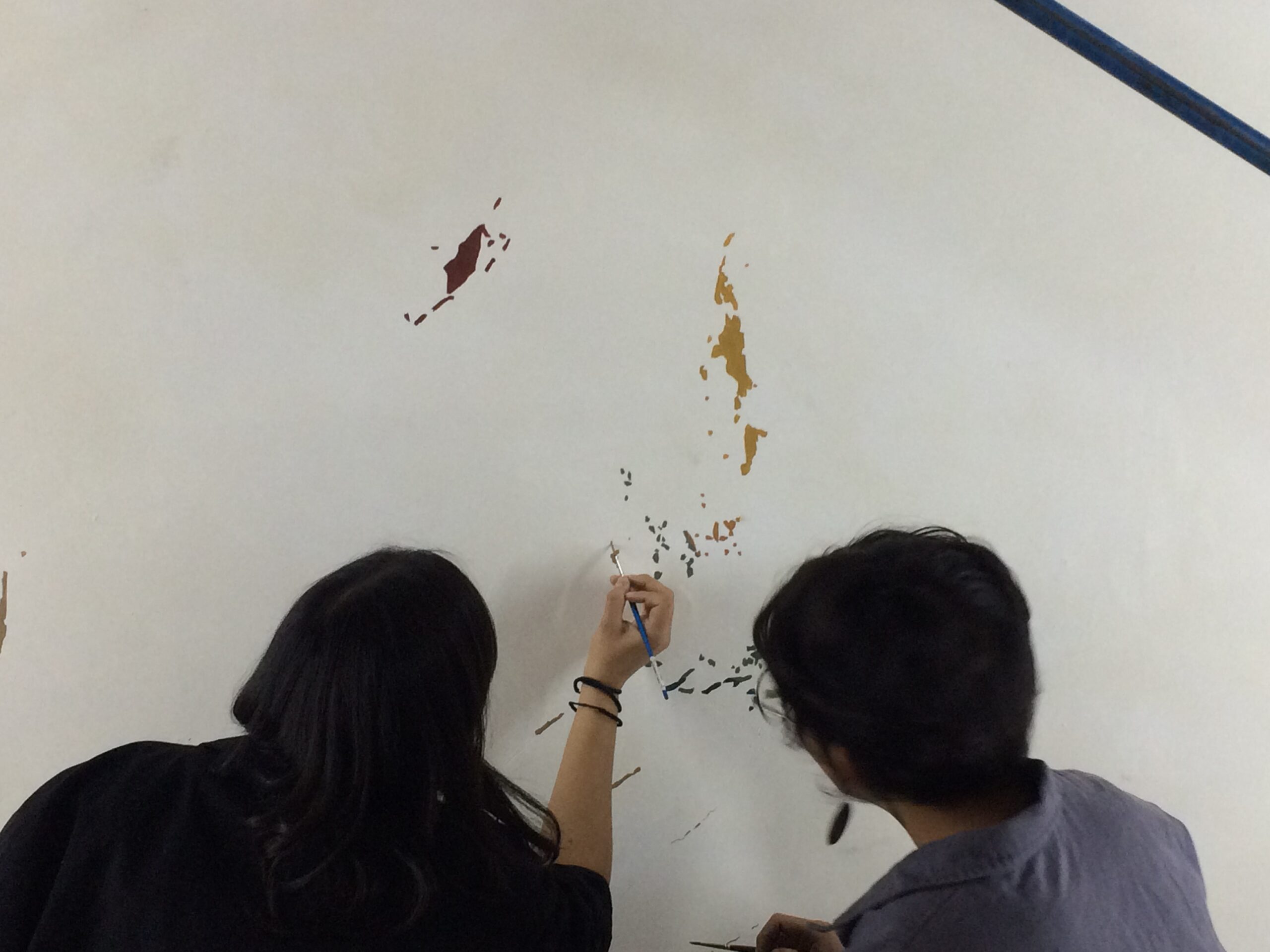
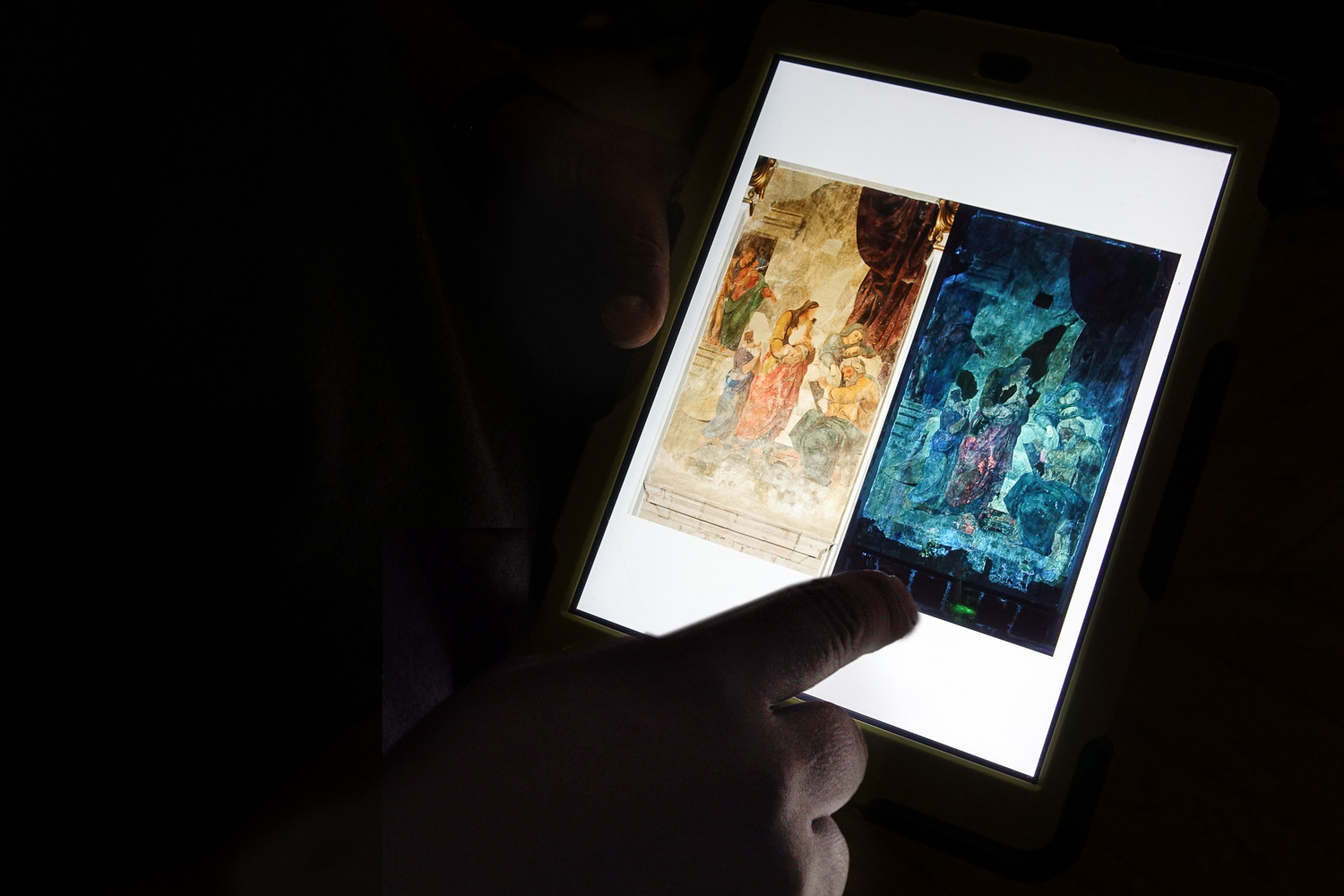
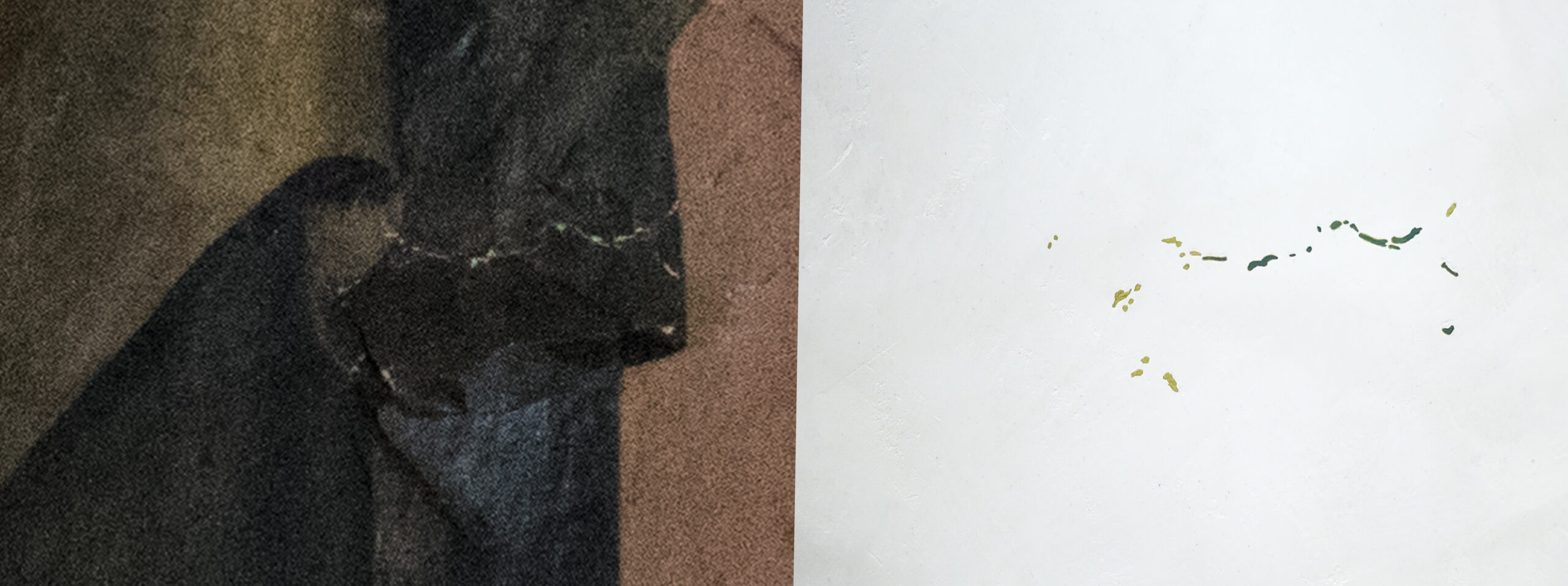
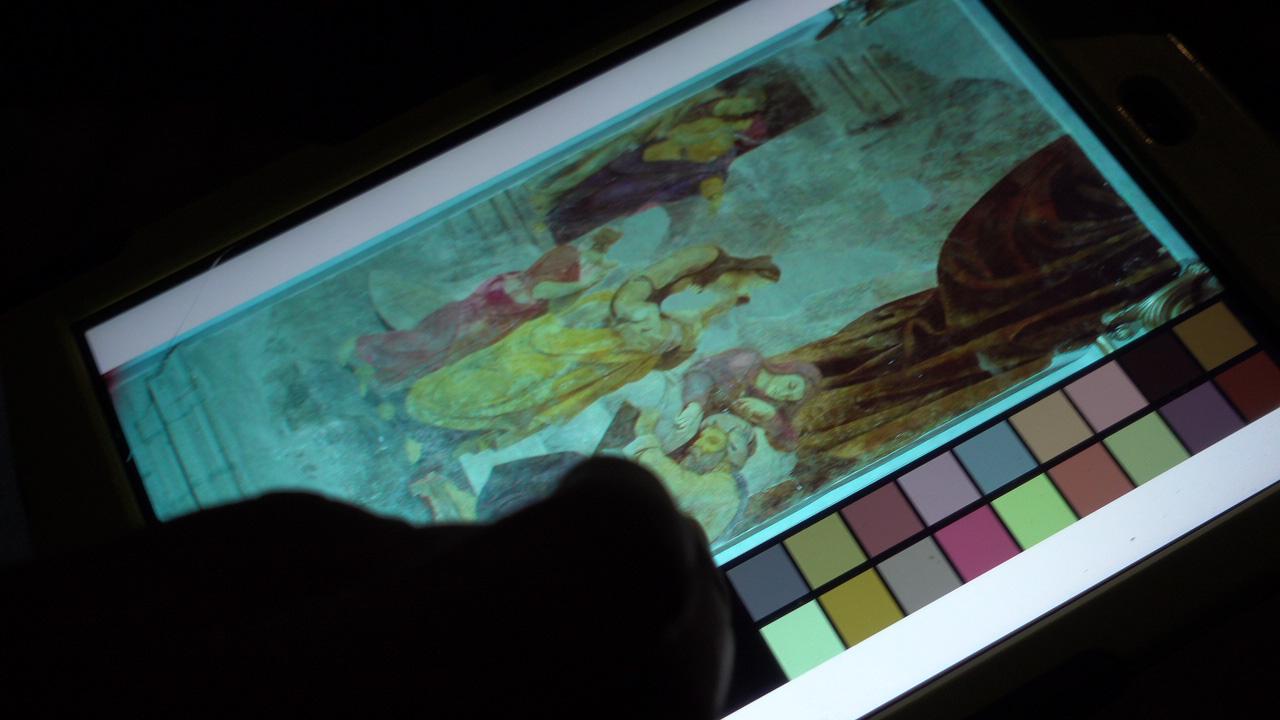
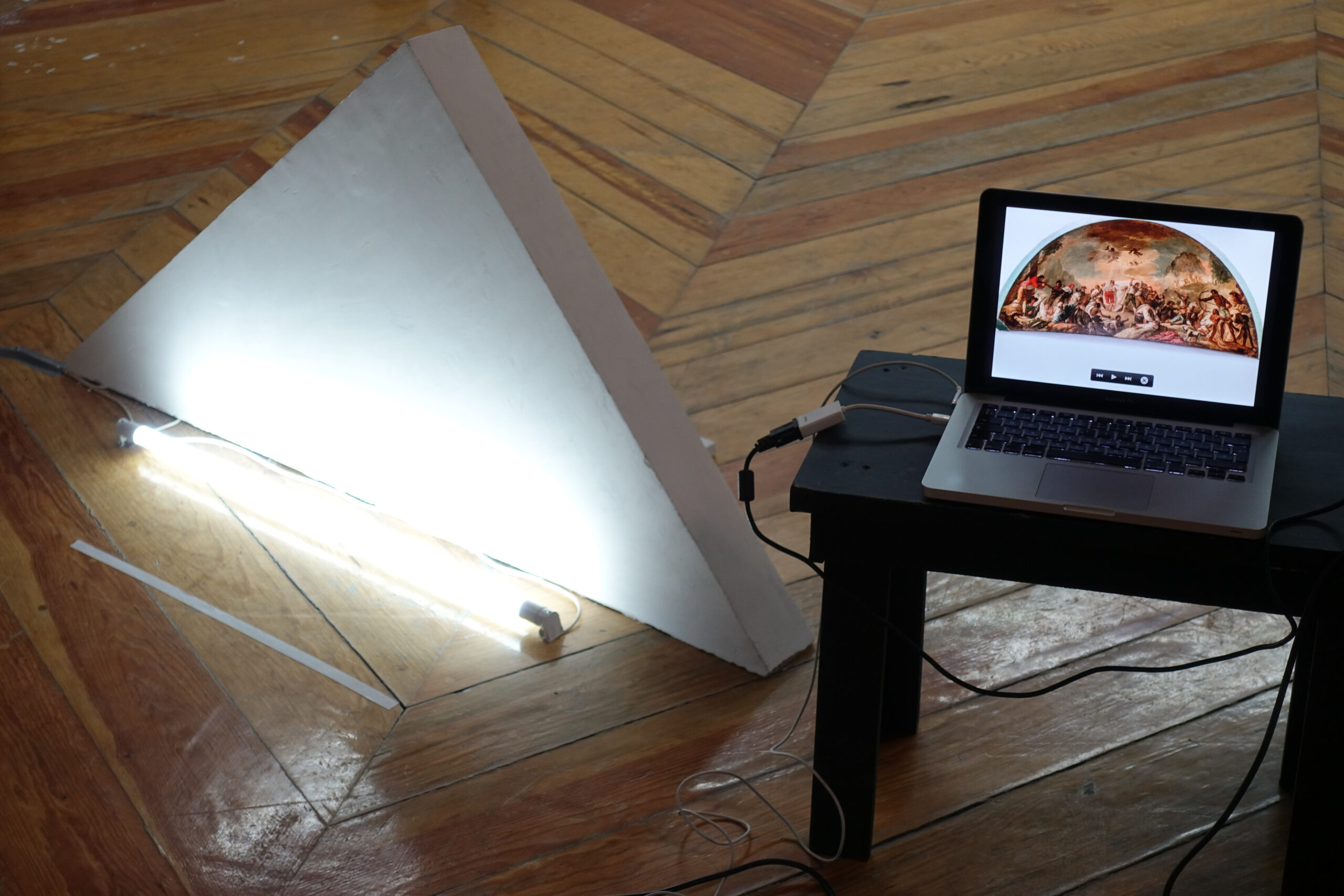
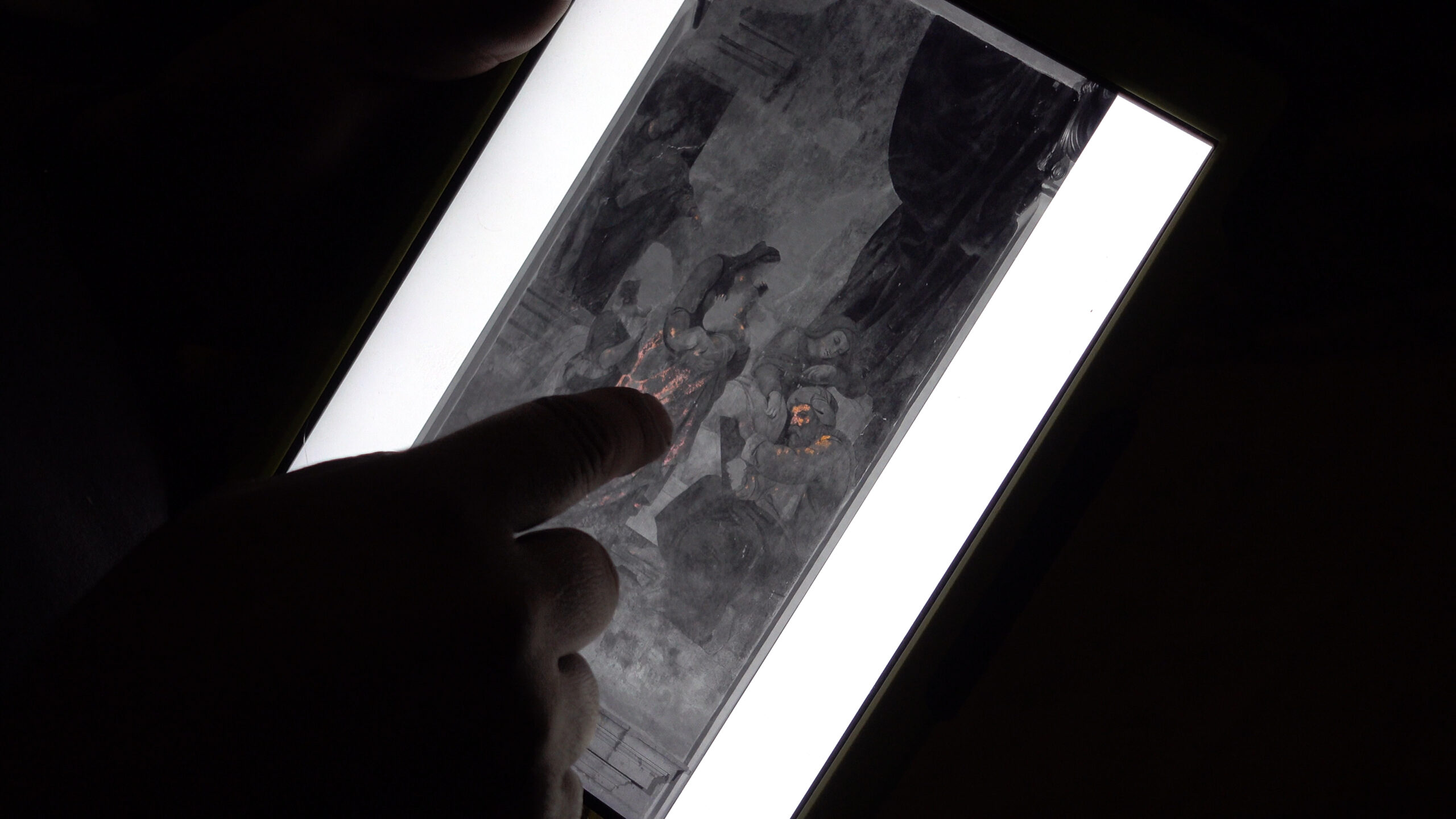
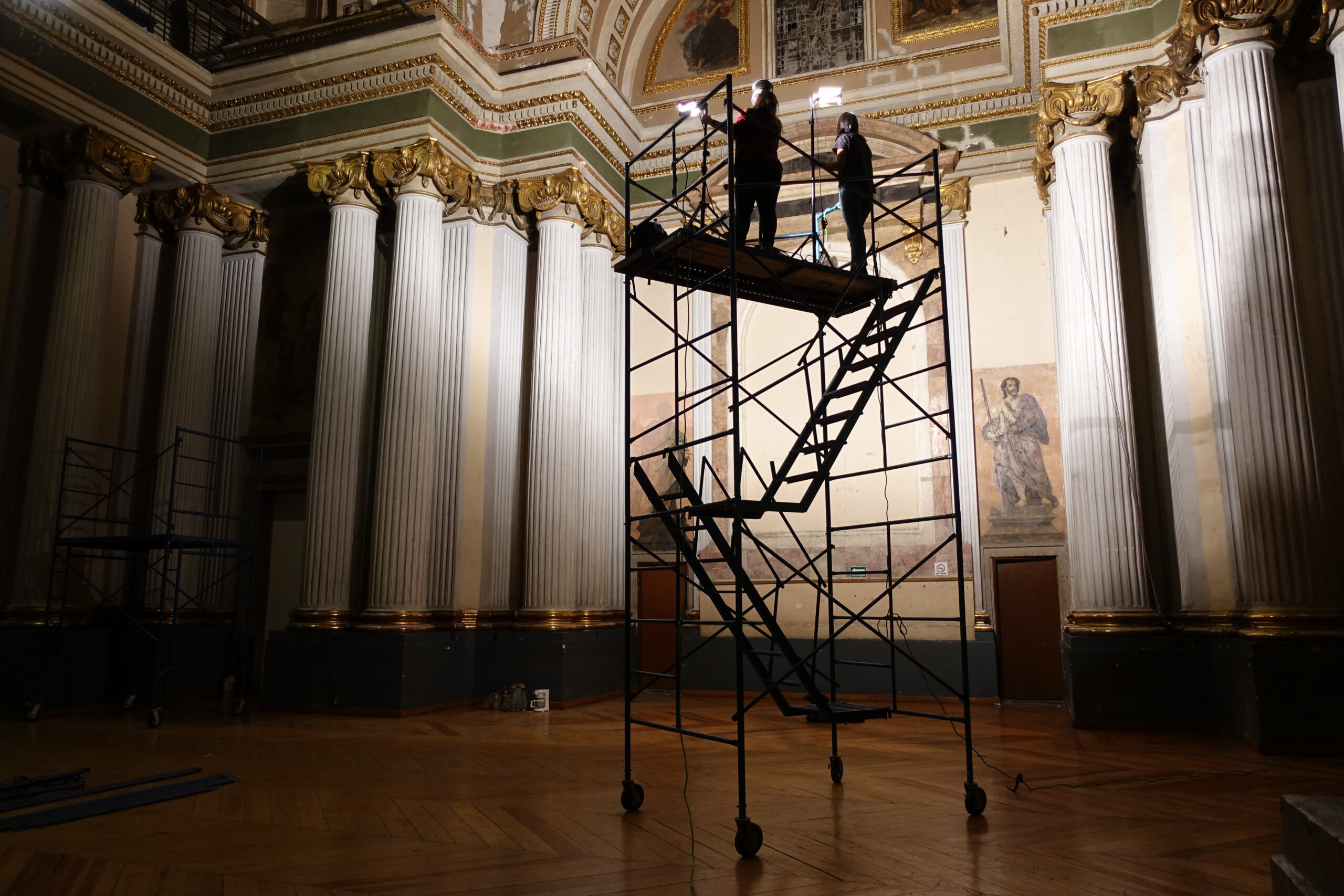
Reproducción a escala 1:1 (18.20 x 10.63 mts.) de la información perdida en el mural de San Cristóbal ubicado en la entrada norte de la Parroquia de Santiago Tlatelolco. Dando continuidad a la investigación sobre la procedencia de los materiales y pigmentos de la serie Pinturas perdidas, Lorena Mal se enfoca en el análisis de la materialidad de este mural para especular las formas y los pigmentos empleados en la primera capa de pintura realizada antes de 1610 y que quedó cubierta por dos capas más anulando así la posibilidad de conocer el trazo original. En esta supuesta recuperación de la información perdida, la especulación implanta nuevos códigos materiales y de representación que exaltan otra estética, otras fuentes, haciendo evidente una posible episteme mexica.
Es así que se genera una lectura de lo olvidado y por tanto un acto de memoria e invocación. El origen de estos nuevos materiales es también un fragmento de ese paisaje hoy perdido, del territorio que dio cuerpo a través de los pigmentos a la posible primera representación de uno de los santos más interesantes en cuanto a su similitud con la figura del teomama de la cultura mexica.
San Cristóbal carga en su espalda a Cristo para cruzar el río y lleva en su mano derecha un bastón con brotes; es así la representación del cruce del mundo cristiano, la visión occidental que estrenaba el pensamiento humanista trasladado hacia el “Nuevo mundo”. En el Cem Ãnahuac, los mexicas cruzaban las aguas y las tierras desde Aztlán guiados por los teomamaque, quienes cargaban en su espalda un bulto en el que viajaba junto a ellos lo divino – su concepción de mundo. El teomama recibe en sueños el motivo de la migración y este ‘cargador de la divinidad’ tiene la facultad de interpretar el canto del ave que simboliza a la divinidad. Ambas figuras son una en esta parroquia, dos mundos se traslapan en imagen e historia.